

New initiative targets high-emitting abandoned oil and gas wells, supporting climate goals, emissions reduction and environmental restoration while creating local workforce opportunities.
- An Overlooked Challenge in Climate Action
- Tackling a Major Source of Methane Emissions
- Supporting Climate Action Through Measurable Emissions Reduction
- Environmental Restoration Beyond Emissions Reduction
- Workforce Development Supports a Just Transition
- Corporate Sustainability Expands Beyond Operational Emissions
- Orphan Well Remediation Gains Momentum as a Climate Solution
An Overlooked Challenge in Climate Action
Methane emissions from abandoned oil and gas infrastructure remain one of the most overlooked challenges in climate action. Oracle has announced a new collaboration with the Well Done Foundation (WDF) to identify, assess and plug orphaned oil and gas wells across New Mexico, helping reduce greenhouse gas emissions while supporting the state’s broader climate and environmental objectives.
The initiative combines environmental remediation, emissions reduction and workforce development, demonstrating how private sector investment can help address legacy energy infrastructure challenges while delivering measurable sustainability outcomes.
Tackling a Major Source of Methane Emissions
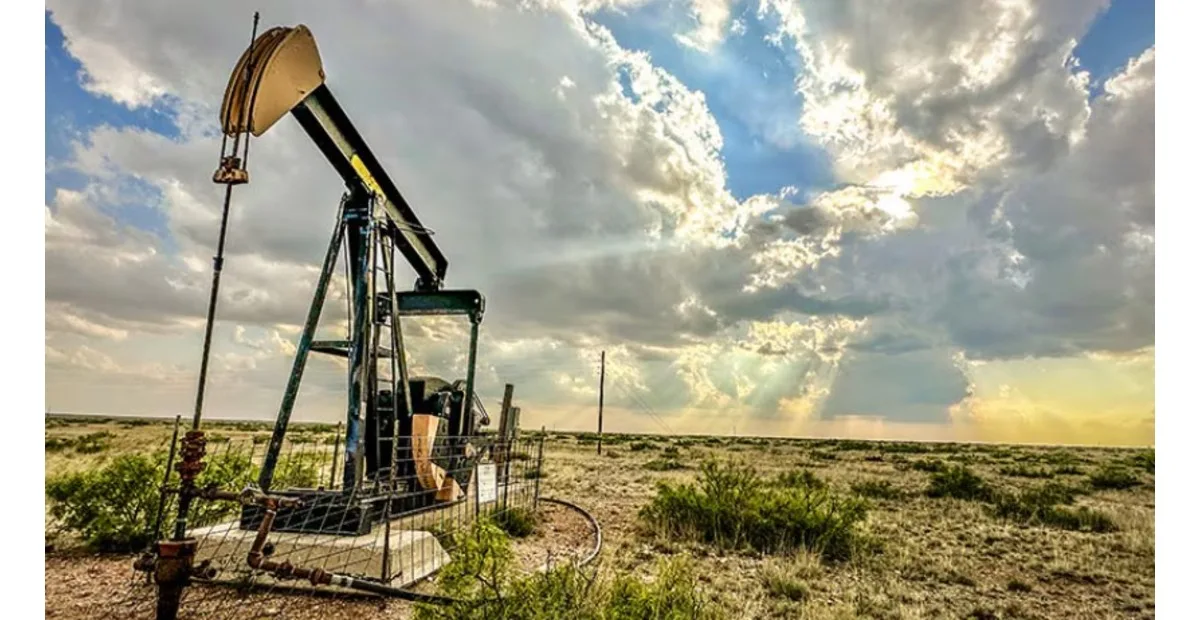
Orphaned oil and gas wells are abandoned sites with no responsible operator, leaving them capable of releasing methane and other harmful pollutants into the atmosphere for decades.
In addition to methane emissions, these wells can emit volatile organic compounds (VOCs), hydrogen sulfide and other pollutants that affect air quality, public health and local ecosystems. They can also pose safety risks for nearby communities and landowners while limiting future land use opportunities.
Through the partnership, Oracle will fund the assessment and prioritisation of ten orphaned wells across New Mexico, with the initial phase focusing on plugging and restoring the two highest-emitting sites identified through the evaluation process.
Supporting Climate Action Through Measurable Emissions Reduction
The project aligns directly with New Mexico’s Climate Action Plan and aims to generate quantifiable environmental benefits through methane mitigation.
According to project estimates, the initial well closures are expected to deliver more than 60,000 metric tonnes of carbon dioxide equivalent (CO₂e) emissions reductions. The initiative also establishes a framework for identifying and addressing additional orphaned wells in future phases.
Methane is widely recognised as one of the most potent greenhouse gases, making orphan well remediation an increasingly important component of corporate and governmental decarbonisation strategies.
The Well Done Foundation’s measurement-driven approach will include monitoring gas emissions, pressure, temperature and fluid releases at each site, with data tracked through its Well Intel system to ensure transparency and accountability.
Environmental Restoration Beyond Emissions Reduction
While methane abatement is a key objective, the project also delivers broader environmental and community benefits.
Plugging orphaned wells helps eliminate long-standing safety hazards, improve local air and water quality, restore ecosystems and enable previously impacted land to be returned to productive use.
The initiative highlights the growing recognition that climate action projects can simultaneously support biodiversity, public health and community resilience.
“Orphaned oil and gas wells have posed silent threats to communities across New Mexico for years,” said Curtis Shuck, Chairman of the Board, Well Done Foundation.
“Oracle’s support allows us to tackle this challenge more immediately by safely closing wells today and laying the groundwork to scale these efforts to plug more wells over time. That’s how real progress is made.”
Workforce Development Supports a Just Transition
Alongside environmental remediation, the programme includes an investment in local workforce development.
Oracle’s funding will support scholarships for two local residents to become certified Orphan Well Qualified Measurement Specialists, creating new employment opportunities linked to environmental restoration and climate-related infrastructure projects.
The workforce component reflects a growing emphasis within sustainability initiatives on delivering social and economic benefits alongside environmental outcomes.
By building local expertise in emissions monitoring and remediation, the project helps strengthen regional capacity to address future environmental challenges.
Corporate Sustainability Expands Beyond Operational Emissions
The partnership demonstrates how organisations are increasingly pursuing sustainability initiatives that extend beyond their direct operational footprint.
Rather than focusing solely on internal emissions reduction programmes, companies are investing in broader environmental projects capable of delivering significant climate impact at the community and regional level.
“Oracle is committed to making a real difference in the communities where we operate,” said Colleen Cassity, Global Head of Social Impact and Executive Director of Oracle Education Foundation and Oracle Health Foundation.
“By partnering with WDF, we are addressing environmental risks, empowering local communities, and providing a healthier, more sustainable future for New Mexicans. This initiative reflects Oracle’s broader dedication to social responsibility and our deep respect for the people and natural resources of New Mexico.”

Orphan Well Remediation Gains Momentum as a Climate Solution
The initiative comes amid growing attention on orphaned oil and gas wells as a significant but addressable source of methane emissions.
The Well Done Foundation estimates there are approximately 3.5 million orphaned wells across the United States. Since its founding in 2019, the organisation has plugged more than 117 wells, eliminating over five million metric tonnes of CO₂e emissions.