



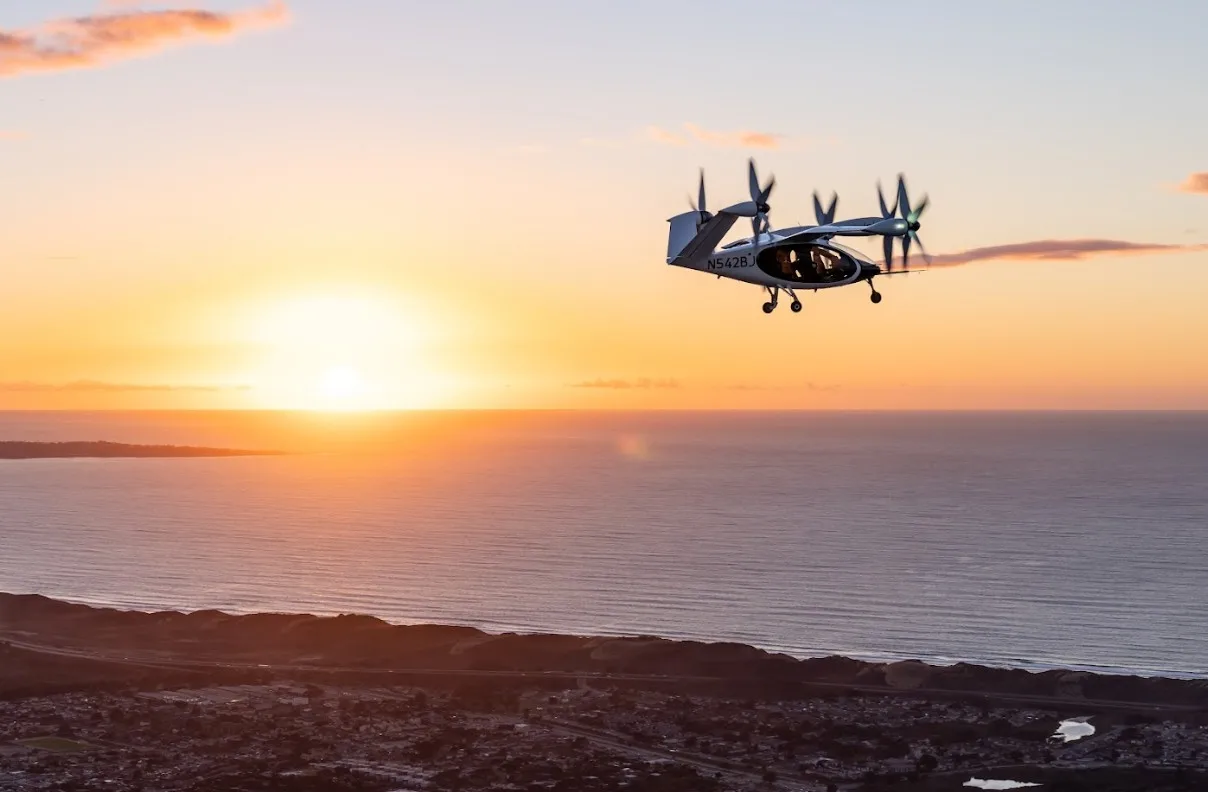
Joby Aviation and Air Space Intelligence (ASI) have announced a partnership designed to help integrate electric air taxis into the Federal Aviation Administration’s U.S. National Airspace System, a key step toward scaling next-generation electric aviation.
Preparing U.S. airspace for advanced air mobility
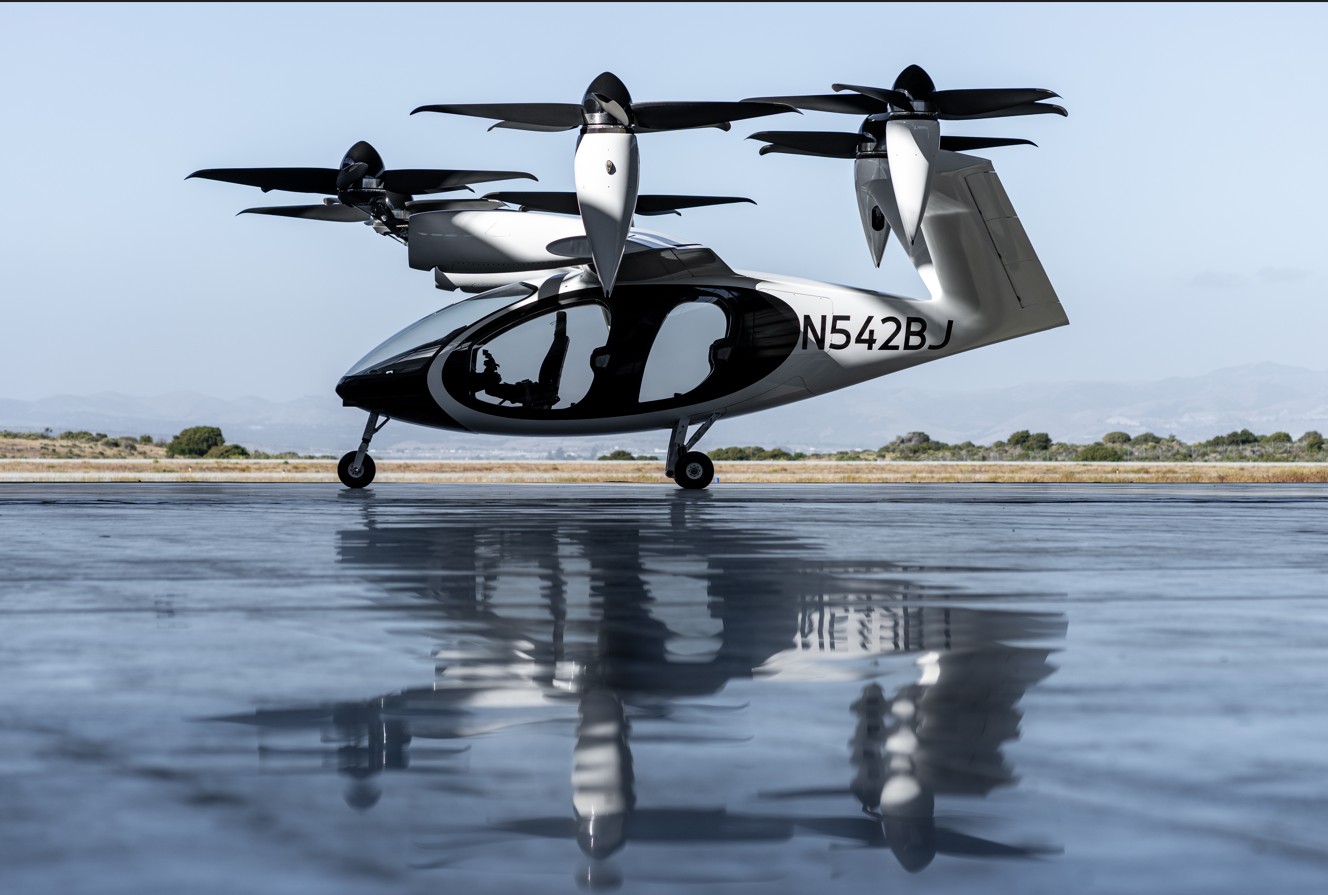
The collaboration will combine Joby’s all-electric vertical take-off and landing (eVTOL) aircraft with ASI’s Flyways AI airspace intelligence platform to explore how advanced air mobility operations can operate safely and efficiently within increasingly complex U.S. airspace.
Joint demonstrations and live operational exercises are expected later this year as the companies test how electric aircraft can be integrated into existing aviation systems.
As the aviation sector explores cleaner transportation technologies, scaling electric aircraft will require not only new vehicles but also modernized airspace management systems capable of handling higher traffic volumes.
The partnership aims to address this challenge by using AI-driven tools to model and manage complex airspace operations.
“America has long set the global standard for aviation, and modernizing our airspace is key to maintaining that leadership,” said Greg Bowles, Chief Policy Officer at Joby Aviation.
“By combining Joby’s operational capabilities with ASI’s advanced AI-driven Flyways platform, we’re helping build the intelligent infrastructure needed to integrate electric air taxis seamlessly into the NAS — one of America’s most important national assets.”

AI-powered airspace management for electric flight
ASI’s Flyways AI Platform is an open, AI-powered airspace intelligence system designed to optimize flight operations using high-fidelity 4D modeling.
The platform analyzes aircraft trajectories and airspace conditions to help operators and air traffic controllers coordinate high-density flight activity more effectively.
“Scaling advanced air mobility requires more than new aircraft — it requires a new operating system for the airspace,” said Bernard Asare, President of Civil Aviation at Air Space Intelligence.
“Our Flyways AI platform gives operators and controllers the predictive awareness to coordinate high-density operations proactively, not reactively. This partnership brings that same capability to eVTOL operations from day one.”
Aligning with the next generation of air traffic control
The collaboration will also explore how electric aircraft operations could align with the FAA’s Brand New Air Traffic Control System (BNATCS), which is expected to serve as the foundation for the next generation of U.S. air traffic management.
Through the partnership, Joby and ASI will evaluate how software-defined and increasingly automated airspace coordination systems could support more autonomous flight operations in the future.
Initial results from the companies’ operational demonstrations are expected by the end of 2026.
Demonstrating operational readiness for electric aviation
The announcement follows recent demonstration flights conducted by Joby across the San Francisco Bay Area, where the company showcased the operational readiness of its electric aircraft.
Joby was also recently selected as a partner in several winning applications under the White House-backed eVTOL Integration Pilot Program (eIPP).
Through the initiative, the company may have the opportunity to begin early operations this year in 12 U.S. states, a milestone that could accelerate the path toward commercial electric air taxi services.
Expanding intelligent infrastructure for sustainable aviation
As electric aviation technologies advance, industry leaders increasingly emphasize the importance of digital infrastructure and intelligent airspace management alongside aircraft innovation.
Air Space Intelligence says its platform already supports decision-making systems across multiple sectors, including aviation, defense, logistics and energy. The company notes that its platform currently actively manages more than 40% of all U.S. air traffic.
By combining AI-driven airspace intelligence with electric aircraft operations, the partnership aims to demonstrate how emerging advanced air mobility services can scale within the existing U.S. aviation ecosystem.
For sustainability-focused aviation initiatives, these kind of partnerships could represent a step toward enabling electric flight operations at scale while maintaining safety and efficiency across national airspace systems.