



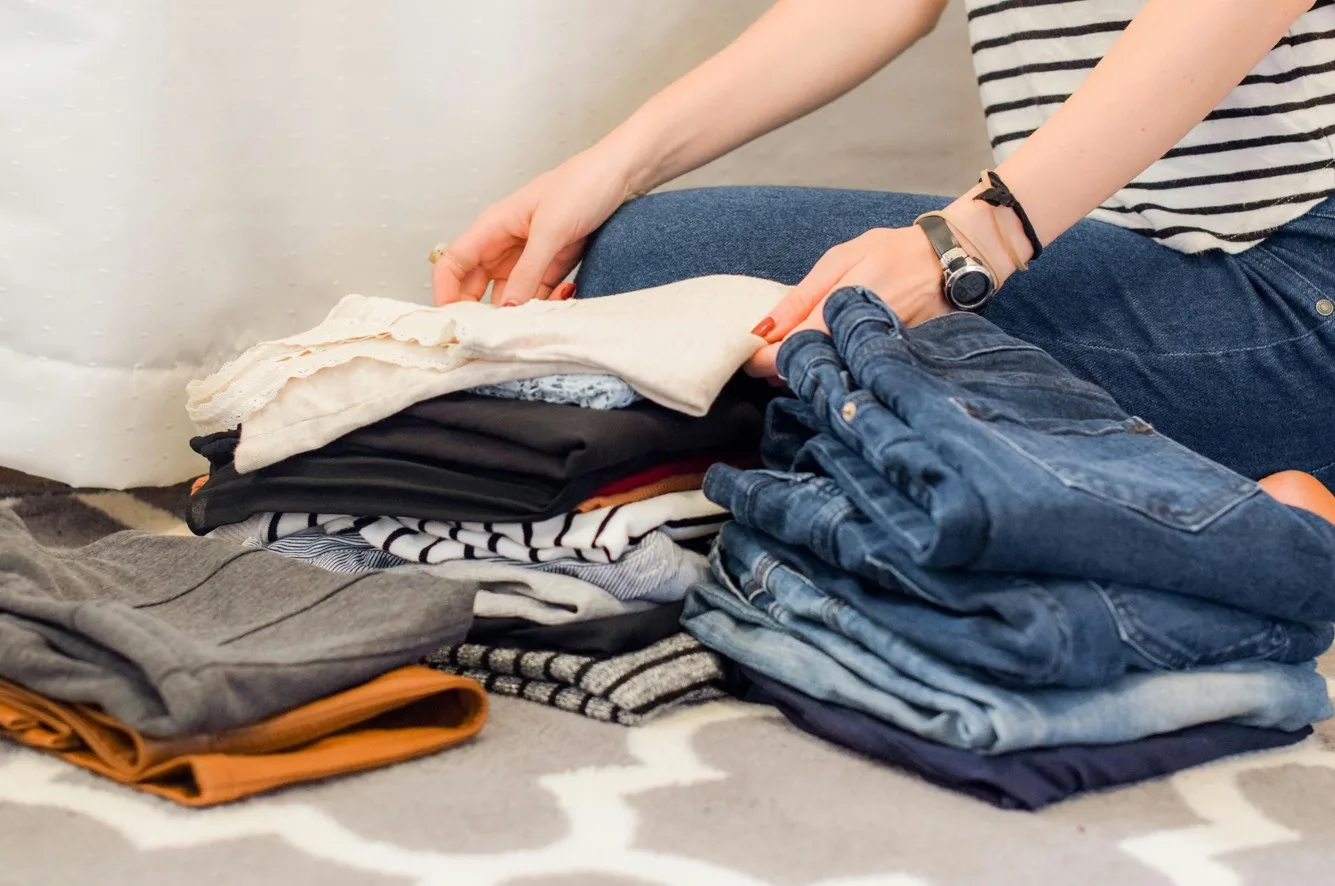
The Fashion Pact and Fashion for Good, with strategic design input from the Ellen MacArthur Foundation, have launched the Circular Fibre Collective to accelerate adoption and unlock investment in circular materials.
Scale potential
A new cross-industry initiative is aiming to break the supply-demand deadlock limiting the scale-up of textile-to-textile (T2T) recycled and next-generation fibres across the global fashion supply chain.
The initiative comes as the industry struggles to move beyond pilot-stage adoption. Currently less than 1% of global fibre consumption comes from T2T recycling, with limited use of post-consumer waste.
According to estimates, up to 2 million tonnes of T2T recycled and next-generation material capacity could be achieved, increasing share from less than 1% towards 8% of global fibre production by 2030.
However, scaling remains constrained by fragmented demand, insufficient financing, and a lack of well-developed recycling infrastructure and supportive policy frameworks, creating a “chicken-and-egg” dynamic between supply and demand.
Aggregating demand to unlock supply chain investment
The Circular Fibre Collective is structured to address these barriers through coordinated action across brands, suppliers, and innovators—particularly by creating clearer demand signals.
“The Circular Fibre Collective demonstrates the power of collective action,” said Eva von Alvensleben, Executive Director at The Fashion Pact. “Together, we can bring a strong, unified voice to accelerate the scaling of textile-to-textile recycled and next-generation materials. By sending a clear market signal through CEO leadership, we believe this will drive both investment and adoption across the industry.”
The initiative will facilitate voluntary forms of aggregated demand, alongside efforts to enable financing, policy alignment, and material supply mapping.

Tools and partnerships to accelerate adoption
Alongside demand aggregation, the Collective provides practical tools to help companies integrate circular materials into commercial operations, including Fashion for Good’s Fiber Club, toolkits, and dedicated material cohorts.
“We’ve been working with brands on next-generation material adoption long enough to know that good intentions don’t move markets — shared engagement does,” said Katrin Ley, Managing Director at Fashion for Good. “The Circular Fibre Collective is built on that premise, and our Fiber Club work gives us a concrete foundation to build from.”
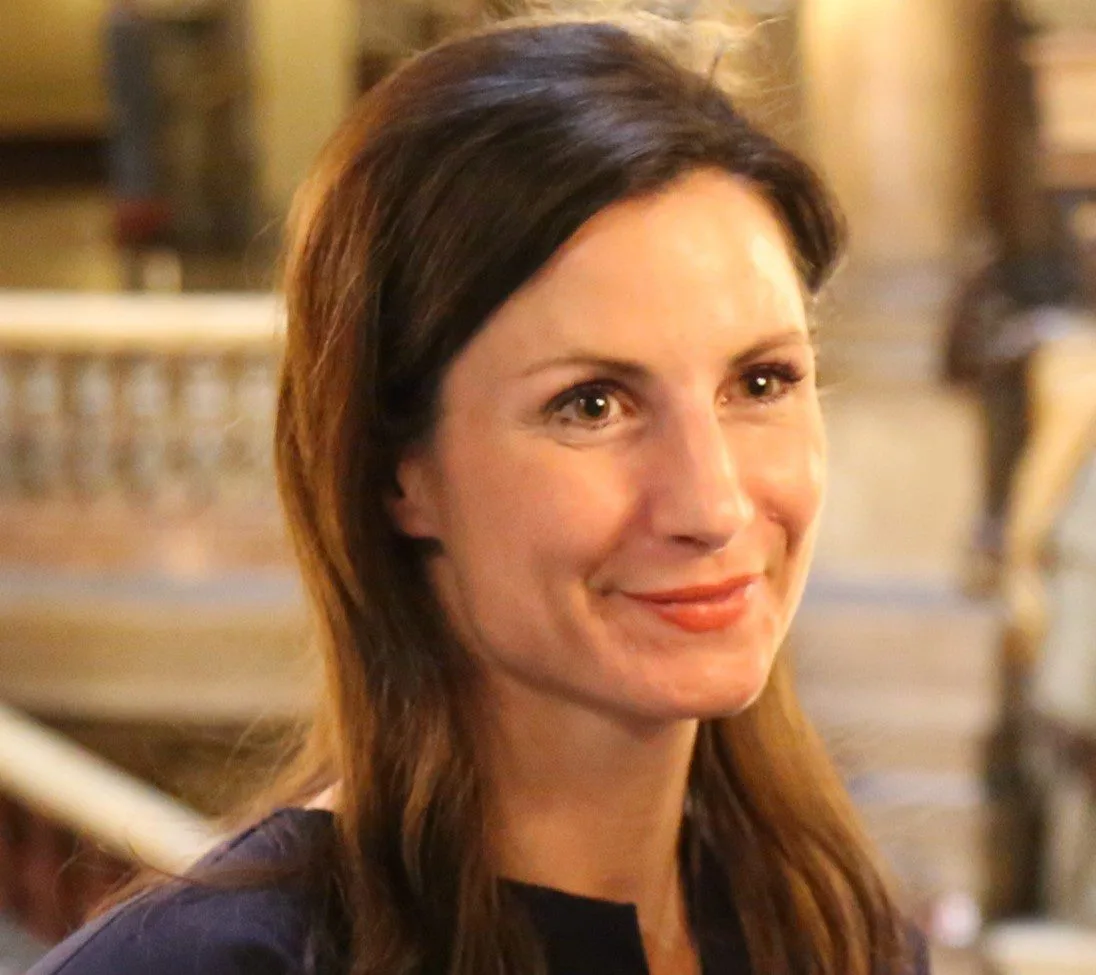
The Ellen MacArthur Foundation will continue to provide circular economy expertise as the initiative scales.
“It was great to have supported the design of this initiative,” said Joe Murphy, Chief Strategy & Innovation Officer at Ellen MacArthur Foundation. “The vision of a circular economy for fashion and textiles is clear. The past decade has built real momentum behind it. Now is the time to move to implementation at scale and initiatives such as this are an important step on the long-term journey.”

Industry alignment critical to scaling circular materials
The launch underscores the need for coordinated action across the full value chain to balance supply and demand for sustainable materials.
“Scaling low impact materials is not a question of technology alone, it is a question of collective effort,” said Leyla Ertur, Chief Sustainability Officer at H&M Group. “Without credible, long term demand signals, suppliers cannot invest; without capable supply, brands cannot commit. Creating balance between the two requires collective action across the value chain, shared definitions of what ‘circular’ truly means, and a proven business case for every actor involved.”

The organisations are now inviting brands and suppliers to join the initiative.
This article was produced by the editorial team at Sustainability Outlook and published as part of the Outlook Publishing global network of B2B industry magazines.
Outlook Publishing delivers industry insights, company stories, and sector coverage across sustainability, energy transition, manufacturing, mining, construction, supply chains, healthcare, and food production.
Sustainability Outlook provides ongoing coverage of organisations and developments shaping the global sustainability landscape.