


Shadi Bakour, Founder and CEO of PATH Water, explains how reusable aluminium bottles and bold thinking are helping disrupt the beverage industry and reduce single-use plastic waste.
INSPIRING A CUSTOMER BEHAVIOUR REVOLUTION
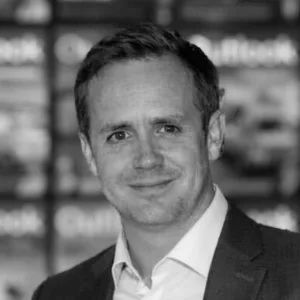
Shadi Bakour is the Founder and CEO of PATH Water, the fastest-growing reusable bottled water brand and the leading company advancing the shift away from single-use plastic in consumer-packaged goods.
Under his leadership, PATH Water has rapidly expanded into major national retailers, airports, stadiums, hospitality groups, and fitness chains.
The company has also earned recognition at Fast Company’s World Changing Ideas Awards, been selected as part of the prestigious Inc. 5000 list, listed amongst the Real Leaders Top Impact Companies, chosen as a regional finalist for EY Entrepreneur Of The Year (Bay Area), and achieved a Sustainability, Environmental Achievement, and Leadership (SEAL) Award for its innovation and environmental impact.
Bakour is also a Forbes 30 Under 30 honouree in Social Entrepreneurship and a frequent speaker on sustainability, entrepreneurship, and consumer innovation, with features in leading business and impact-focused media outlets.
Q&A WITH SHADI BAKOUR, FOUNDER AND CEO, PATH WATER
What industry assumption was PATH Water created to challenge?
Shadi Bakour, Founder and CEO (SB): The whole beverage industry runs on the assumption that you sell people more water, wrap it in plastic, and make it disposable. That’s just how it’s always been done.
We wanted to flip that narrative entirely. PATH Water isn’t here to sell you more water; we’re here to prove convenience doesn’t have to cost the planet and you can actually build a real business around getting people to use less, not more. That’s the whole game for us.
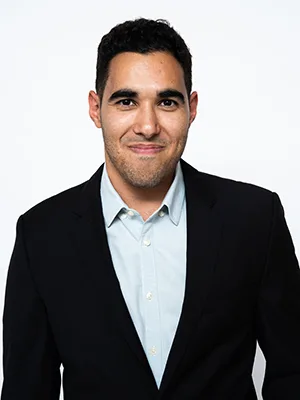
“PATH Water isn’t here to sell you more water; we’re here to prove convenience doesn’t have to cost the planet and you can actually build a real business around getting people to use less, not more”
Shadi Bakour, Founder and CEO of PATH Water
How difficult is it to be a disruptor in the highly competitive beverage sector?
SB: Honestly, it’s brutal. We’re not just fighting against other bottles on the shelf; we’re going up against an entire industry that’s been built around single-use plastic for decades, plus the giants with the marketing budgets to match.
Biggest of all, we’re fighting a supply chain and consumer habits built around single-use plastic. We bootstrapped, worked around the clock, and spent years going store to store before we got any real traction.
There’s no shortcut. If you’re doing it right, it should feel like a grind. That’s usually a sign you’re actually changing something that needed to change.
What have been the biggest successes for the brand?
SB: Becoming the exclusive water brand at San Francisco Airport (SFO) was the moment that changed everything for us.
From there, we scaled to 75,000+ retail locations and 100+ airports globally, built 1,200+ co-brand partnerships, raised more than USD$100 million, and are now the leading aluminium-bottled water brand, with a majority market share of the market.
But the number I care about most is the more than 750 million single-use plastic bottles we’ve kept out of landfills and oceans – and we’re not stopping anytime soon.
What has been your biggest lesson in changing customer behaviour?
SB: People aren’t going to change because they’re being lectured about helping the planet. They change when the better option is just as easy as, or easier than, what they were already doing.
Nobody wakes up wanting to save the world with their water bottle. Make it about the experience first, and the behaviour change happens naturally.
What has been the most significant challenge in scaling reusable packaging?
SB: Infrastructure and habit, in that order.
Reusable packaging asks more of the whole system. Retailers, distributors, and consumers all have to adjust, whereas single-use packaging has been built for maximum convenience at every step for decades.
Scaling something that goes against that grain means rebuilding trust and behaviour at every link in the chain, not just designing a better bottle. The biggest challenge is overcoming a system that was never designed for reuse.
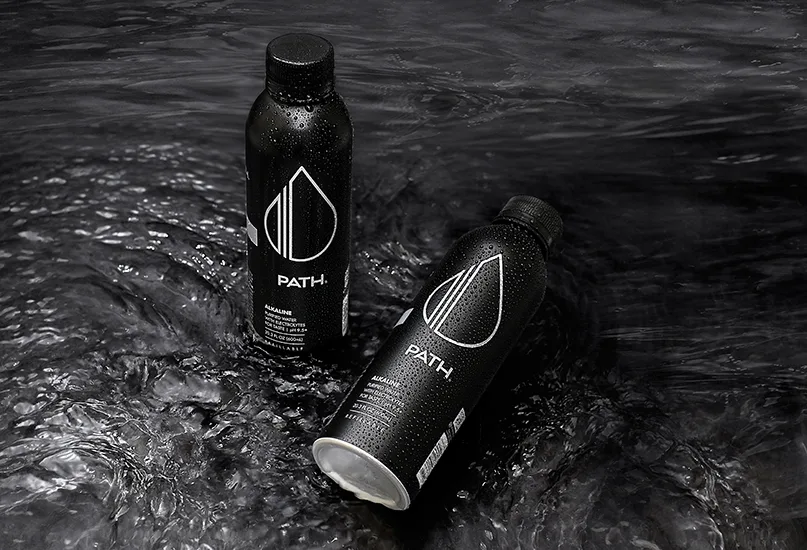
Why is it vital to slow down plastic production by offering alternatives?
SB: Everyone wants to talk about cleaning up the ocean, but nobody wants to talk about turning off the faucet. That’s the disconnect.
You can fund every beach clean-up on the planet, but if the tap is still running at full blast, producing hundreds of billions of new plastic bottles every single year, you’re mopping the floor while the tap is still running.
Recycling was supposed to be the fix, and it’s not. Only a fraction of plastic ever actually gets recycled, so most of it just moves from the shop shelf to a landfill or the ocean anyway.
Real progress isn’t clean-up; it’s prevention. Giving people a genuine alternative is the only way to actually turn off the faucet.
How important are partnerships in driving packaging innovation?
SB: Everything.
Our co-branding programme with names like Transformers, Hello Kitty, Jurassic World, SpongeBob, and regional sports partnerships with National Basketball Association (NBA) teams like the Denver Nuggets and National Hockey League (NHL) teams like Colorado Avalanche is a huge part of our growth engine. It’s a key part of how we built the ‘x-factor flywheel’ in this business.
And it’s not just cultural partnerships. We also have celebrity investors like Michael Jordan, Kevin Hart, Shakira, and Guy Fieri who believe in what we’re building.
None of that scale happens if you try to do it alone.
How has the product developed since launch?
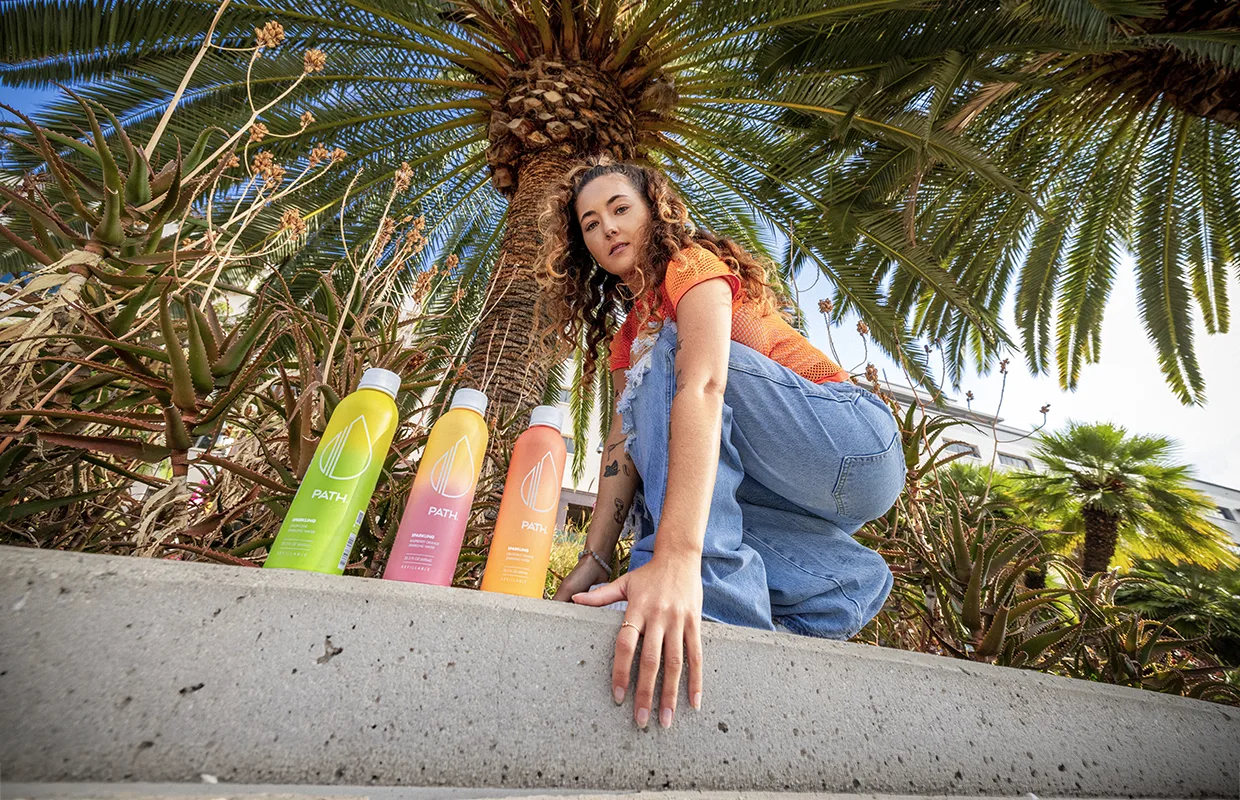
SB: We’ve gone from a scrappy bottle sold door-to-door out of a beat-up car to a full ecosystem: core still, alkaline, sparkling, and flavoured sparkling lines, plus rotating campaigns like Made in USA, sports hydration, state bottles, and team bottles.
The bottle itself hasn’t compromised on our founding principle of developing 100 percent refillable, infinitely recyclable aluminium. Everything around it has scaled to match a brand that’s now distributed across 16 countries.
What does the future hold for PATH Water?
SB: 10 billion single-use plastic bottles eliminated by 2030. That’s the number we’re building towards every single day.
Beyond that, it’s about proving sustainability can scale profitably rather than be treated as a sacrifice. Growing three times faster than our category isn’t an accident; it’s the model.
We want PATH Water to be the proof point that the next great beverage brand doesn’t have to look anything like the last one.
“Don’t sell just the mission; sell a product people actually want and let the impact ride along with it. Authenticity is always undefeated”
Shadi Bakour, Founder and CEO of PATH Water
What advice would you give to other sustainability disruptors?
SB: Be a contrarian thinker and challenge the conventional narrative, but back it up with real hustle.
Nobody’s coming to save your idea for you. I went from having minus USD$400 in the bank to building the world’s leading sustainable beverage brand by refusing to accept ‘no’ as an answer and grinding through every single door, every single account.
Don’t sell just the mission; sell a product people actually want and let the impact ride along with it.
Authenticity is always undefeated.