Neil Perry is Content Director for Outlook Publishing.
- Content Director
Share
Apple says 30 percent of the material across all products shipped in 2025 came from recycled content — the highest level in the company’s history — as it pushes toward its Apple 2030 goal of becoming carbon neutral across its entire footprint by the end of the decade.
Apple reaches highest-ever recycled material content across products
The milestone is part of a broader environmental progress update that includes removing plastic from packaging, using 100 percent recycled cobalt in all Apple-designed batteries, and replenishing more than half of the fresh water used across its corporate operations.
A record 30 percent of material across all products shipped in 2025 came from recycled content, supported by closer collaboration across its global supply chain and internal innovation across design and manufacturing.
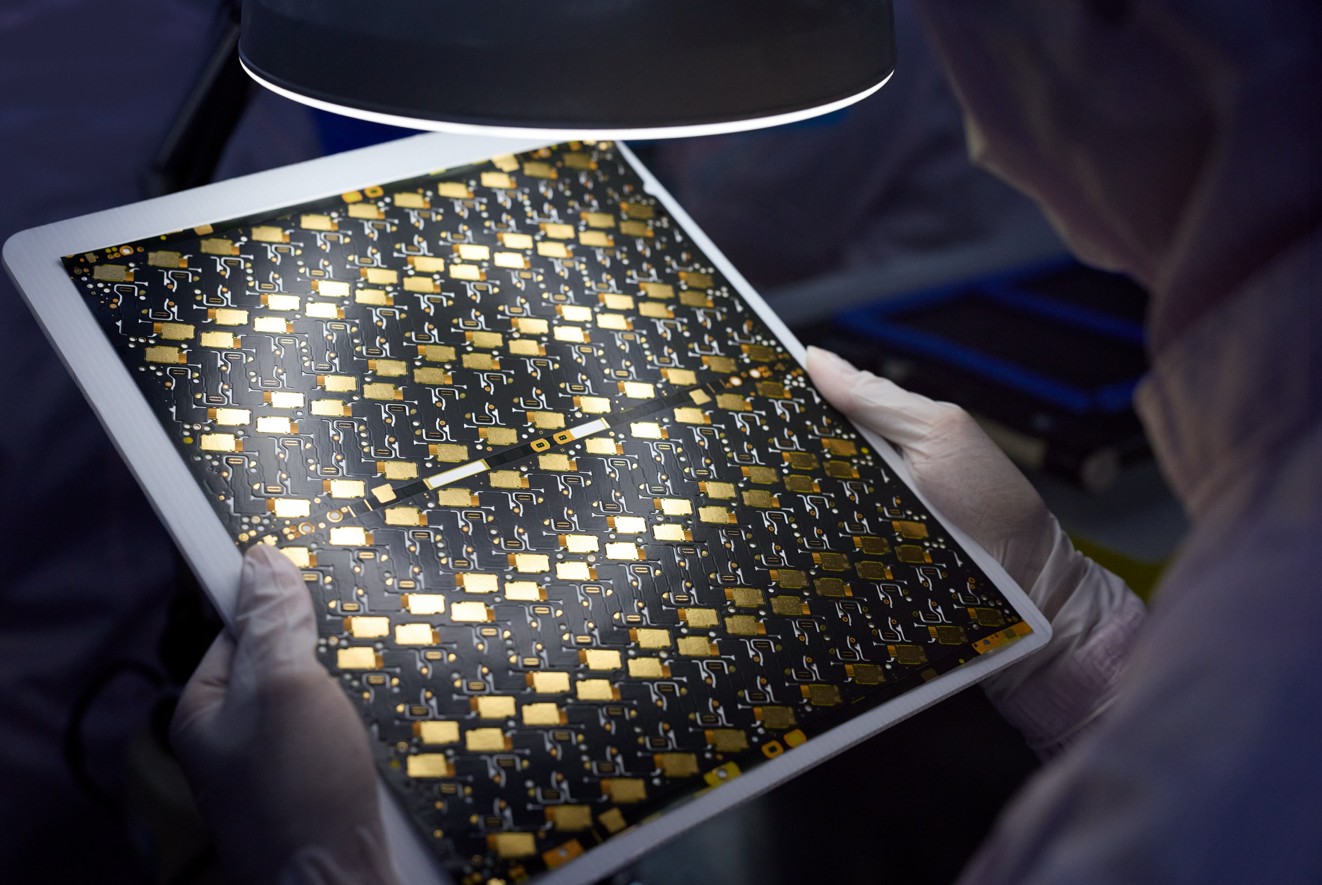
The company also announced that all batteries it designs now use 100 percent recycled cobalt, while all magnets use 100 percent recycled rare earth elements, and all Apple-designed printed circuit boards are now made with 100 percent recycled gold plating and tin soldering.
“At Apple, we believe deeply in leaving the world better than we found it, and that commitment runs across everything we do,” said Tim Cook, CEO of Apple.
“These milestones in our work to protect the planet show that ambitious goals can also be powerful engines of innovation. And as always, we’ll keep pushing to build on this progress even more.”
Plastic removed from packaging as Apple completes fibre-based transition
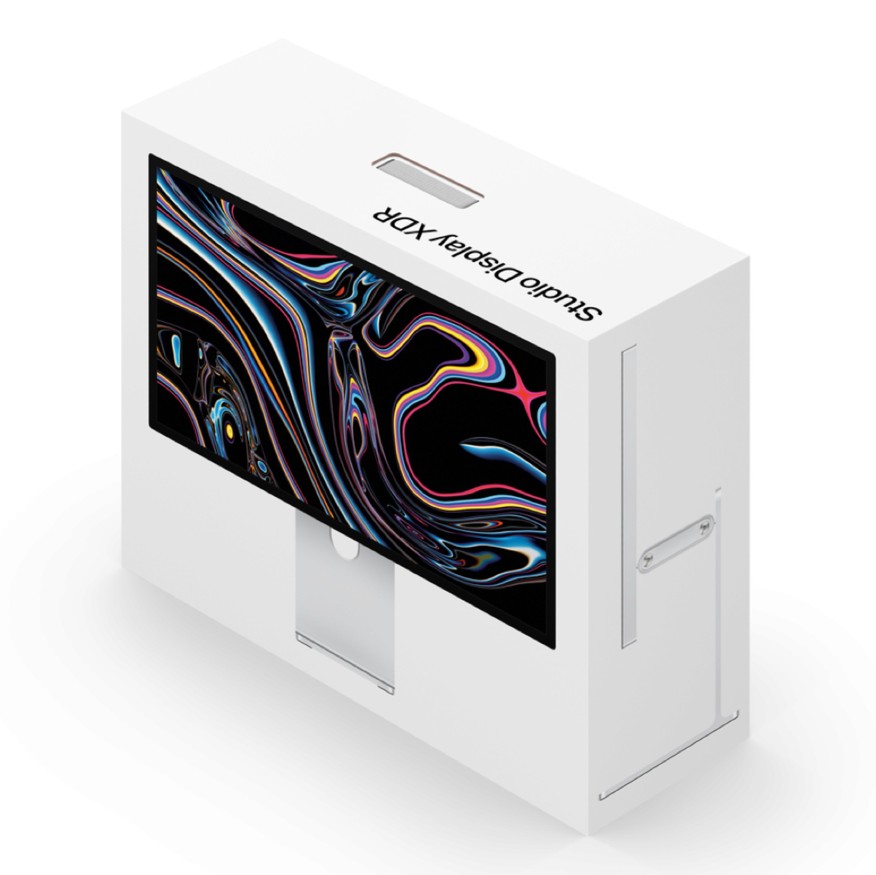
Apple also completed its goal to remove plastic from packaging, with all products now shipping in 100 percent fibre-based packaging that can be recycled at home.
Over the past decade, Apple said its teams redesigned packaging components by replacing plastic trays and screen protectors with recycled or responsibly sourced paper alternatives and it avoided more than 15,000 metric tons of plastic in the past five years alone — equivalent to about 500 million plastic water bottles.
Apple emissions remain down more than 60 percent from 2015 levels
In its latest Environmental Progress Report, Apple said greenhouse gas emissions in 2025 remained down more than 60 percent compared to 2015 levels, holding steady from 2024 despite significant business growth.
This progress supports Apple 2030, the company’s target to become carbon neutral across its entire footprint by the end of the decade.
“Across every part of our business, we’re showing how innovation and collaboration can turn big ideas and bold ambitions into measurable progress,” said Sabih Khan, Apple’s chief operating officer.
“From expanding recycled material to removing plastic from our packaging, we’re setting new benchmarks that inspire us to reach further and work even harder for the good of people and planet.”
Renewable energy and supplier decarbonization continue to scale
Apple said direct suppliers procured more than 20 gigawatts of renewable energy last year through its Supplier Clean Energy Program, generating more than 38 million megawatt-hours of electricity, this is enough clean electricity to power more than 3.4 million U.S. households for a year.
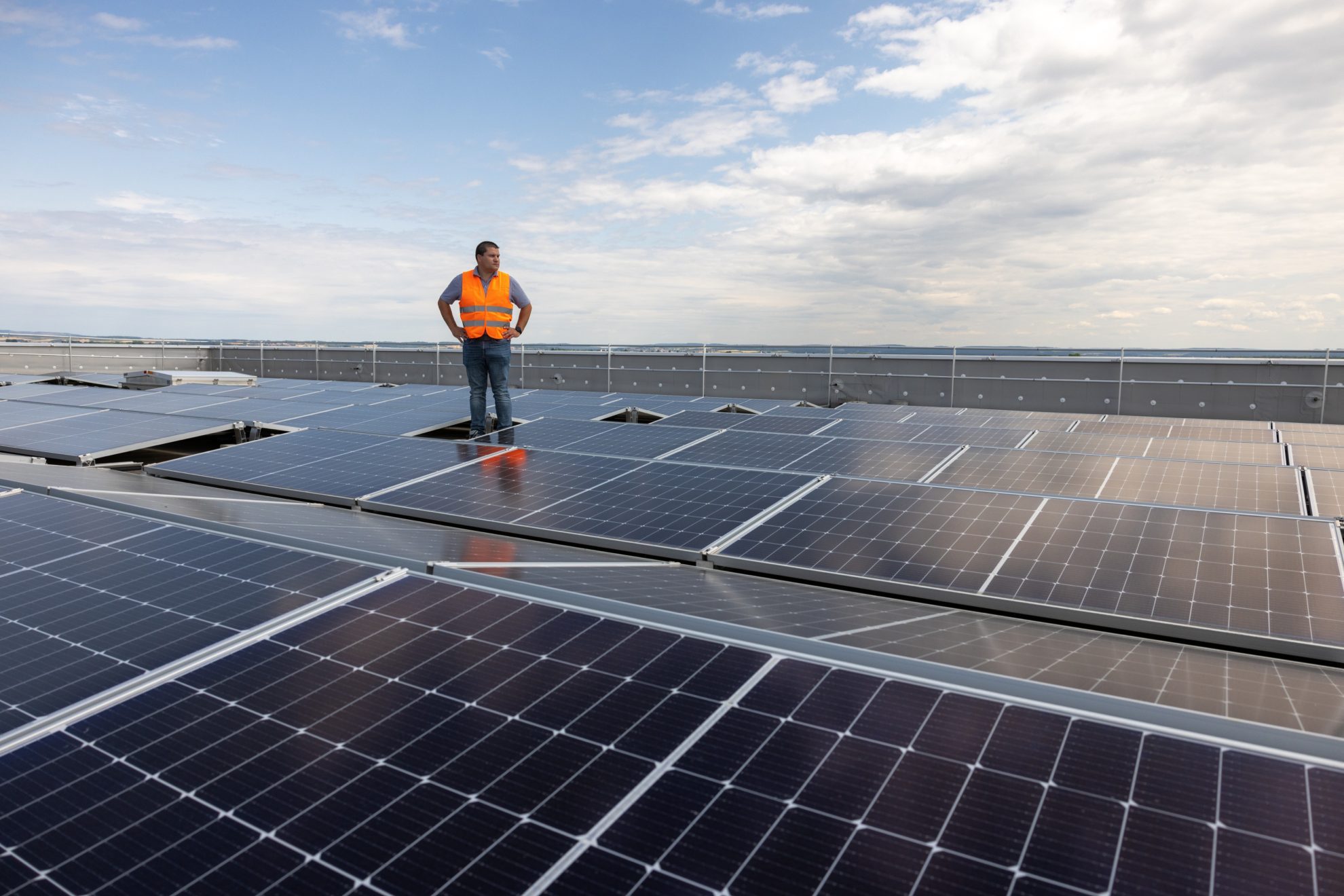
Apple also procured an additional 1.8 gigawatts of renewable energy to power its own offices, retail stores and data centres with 100 percent renewable electricity.
Water stewardship passes major replenishment milestone
Last year, Apple and its suppliers saved 17 billion gallons of fresh water, while the company’s contracted water projects replenished more than half of the fresh water withdrawn to support global offices, retail stores and data centers.
Apple said all eight of its owned data centers are now certified to the Alliance for Water Stewardship standard and is working toward replenishing all fresh water withdrawn for its facilities worldwide by 2030.
New recycling technology expands circular materials strategy
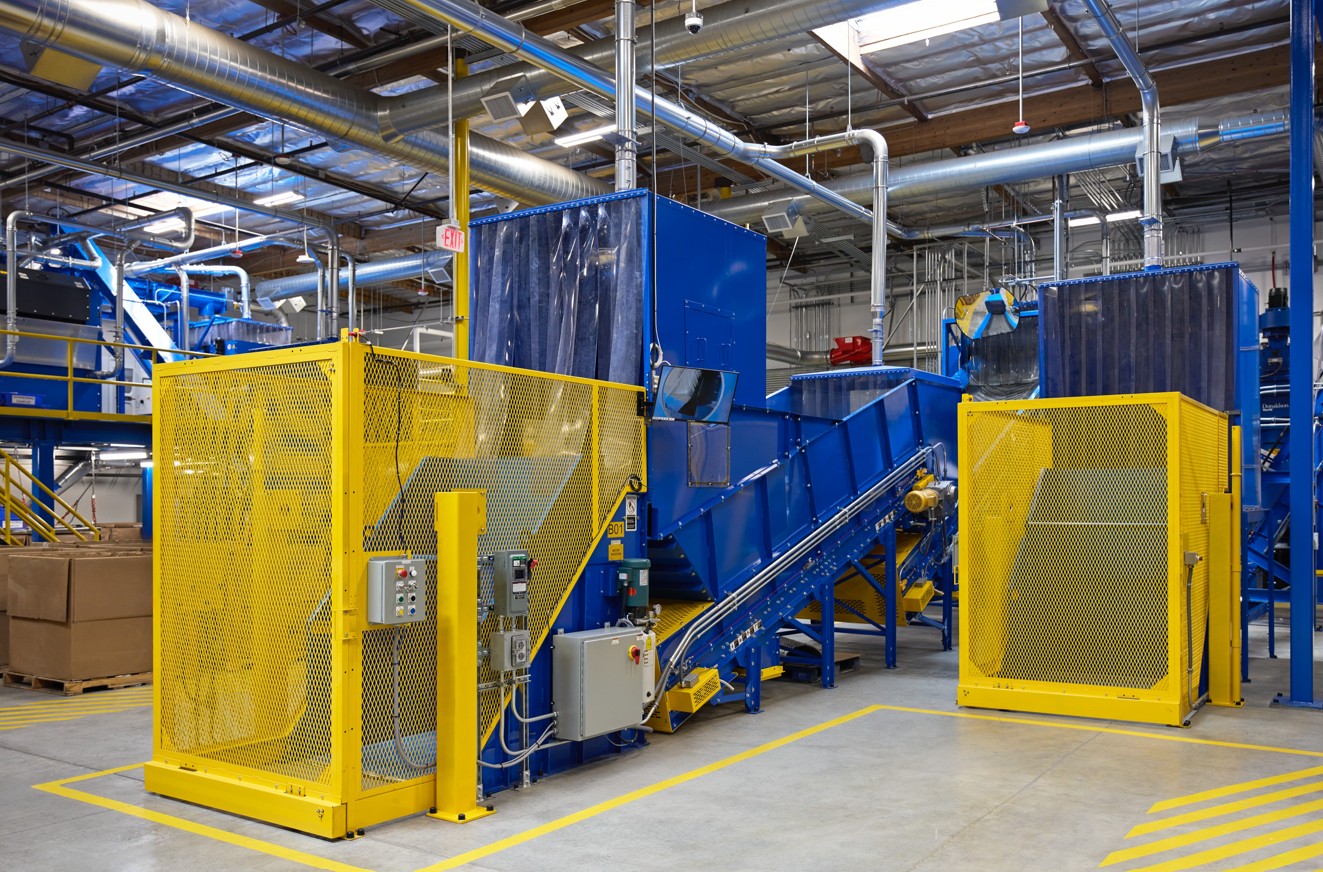
To support greater material recovery, Apple launched Cora, a new electronics recycling line at its Advanced Recovery Centre in California.
Designed and built in the U.S., Cora uses precision shredding and advanced sensor technology to improve recovery rates beyond industry baselines.
Apple also introduced A.R.I.S., a machine learning-powered detection system that helps recyclers classify and sort electronic scrap more efficiently.
MacBook Neo launched as Apple’s lowest-carbon MacBook
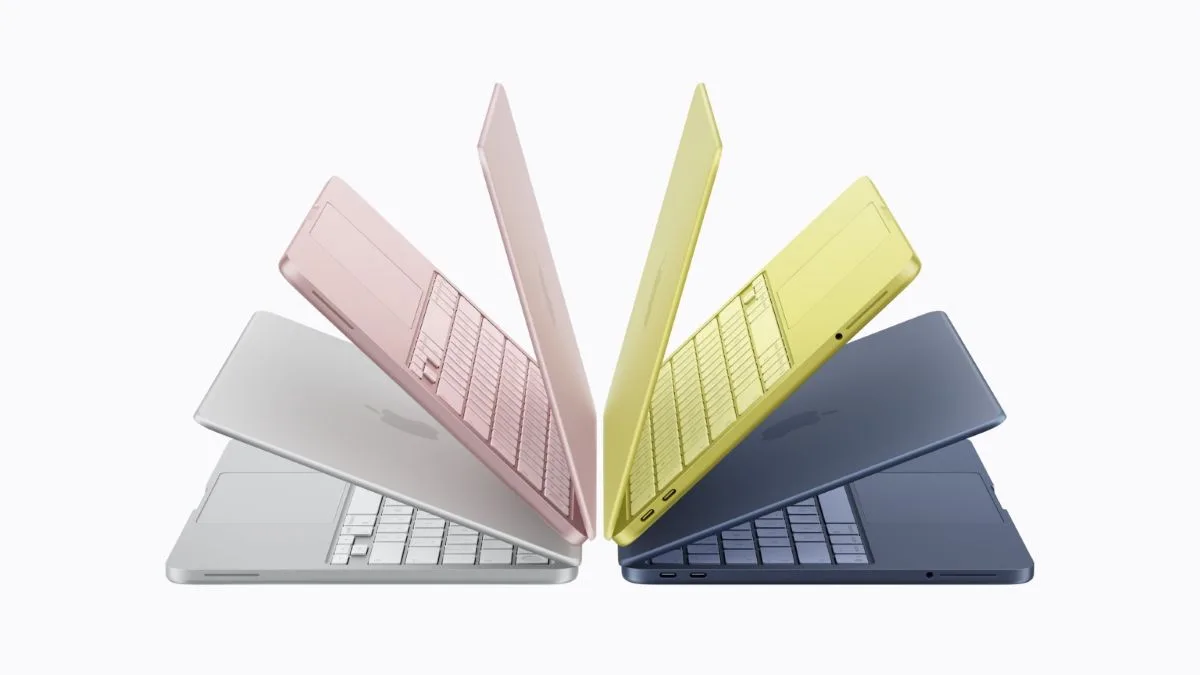
Earlier this year, Apple launched MacBook Neo, which it says is the company’s lowest-carbon MacBook to date.
The device contains 60 percent recycled content overall — the highest recycled content of any Apple device — including 100 percent recycled cobalt in the battery and 100 percent recycled rare earth elements in all magnets.
Its enclosure uses a material-efficient forming process requiring half the raw material of traditional machining methods, while a new anodization process achieves a 70 percent water-reuse rate during production.
Zero waste progress expands across stores and supply chain
Apple said it reached a 75 percent waste diversion rate across global facilities last year through recycling, composting and waste reduction efforts.
Across the supply chain, Apple and its suppliers redirected more than 600,000 metric tons of waste from landfills in 2025, with 400 supplier facilities participating in Apple’s Zero Waste Program.
All Apple products continue to ship from final assembly sites that maintain zero-waste-to-landfill operations.
This article was produced by the editorial team at Sustainability Outlook and published as part of the Outlook Publishing global network of B2B industry magazines.
Outlook Publishing delivers industry insights, company stories, and sector coverage across sustainability, energy transition, manufacturing, mining, construction, supply chains, healthcare, and food production.
Sustainability Outlook provides ongoing coverage of organisations and developments shaping the global sustainability landscape.