



USB pilot programme between Google and Back Market targets device longevity and circular economy goals
- The partnership
- Extending device lifecycles to reduce e-waste
- ChromeOS Flex enables continued use of older hardware
- Addressing the growing global e-waste challenge
- Supporting a shift toward cloud-based and sustainable computing
- Industry dialogue on sustainable technology use
- The challenge of software support
- Circular economy ambitions in the refurbished technology market
The partnership
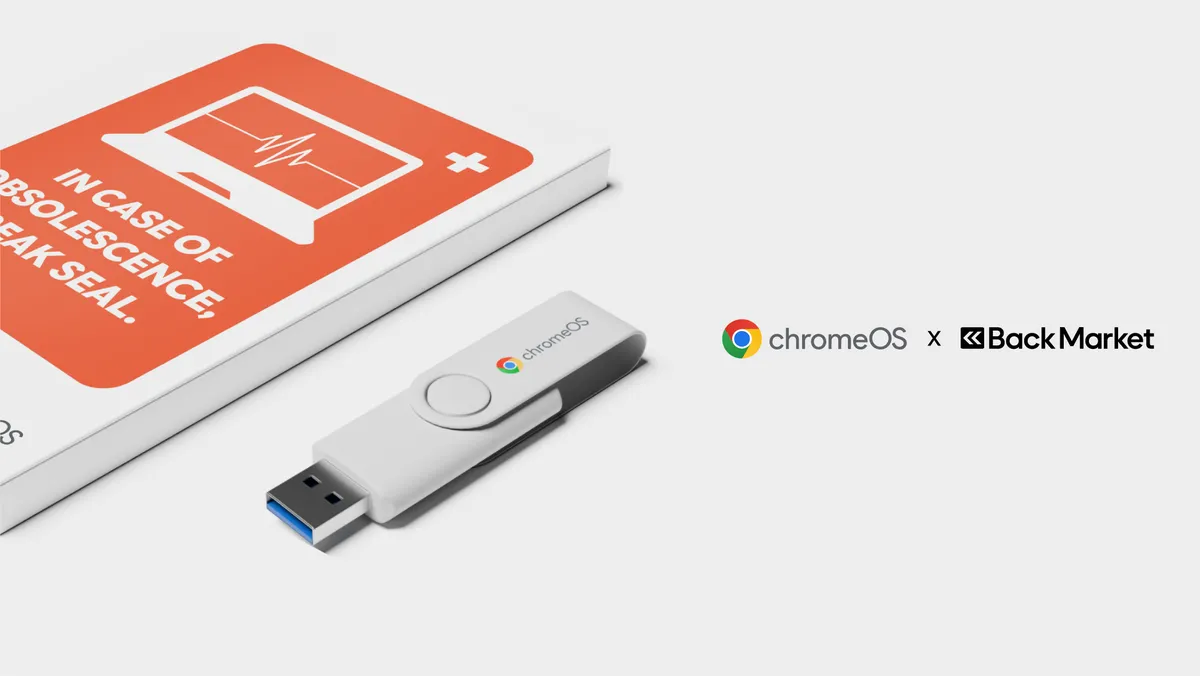
Back Market has partnered with Google to launch a pilot programme aimed at extending the lifespan of existing laptops and reducing electronic waste through the deployment of ChromeOS Flex.
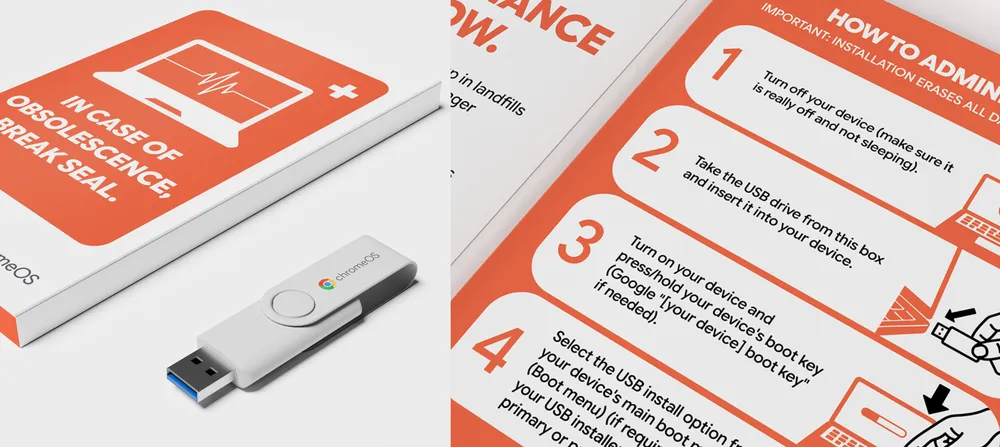
The initiative introduces a limited rollout of USB keys preloaded with ChromeOS Flex, enabling users to install a secure, cloud-first operating system on compatible older devices and keep them in use for longer.
The programme is designed to provide a practical and accessible approach to device reuse for businesses, schools and individual users.
Extending device lifecycles to reduce e-waste
At the core of the partnership is a sustainability objective: reducing the volume of electronic waste by keeping functional hardware in circulation.
“Extending the life of existing technology is one of the most immediate ways to reduce e-waste,” said Thibaud Hug de Larauze, CEO and co-founder of Back Market. “When companies like Google collaborate on practical solutions, it reflects that innovation doesn’t have to mean constant replacement, it can also mean making what we already have work better and longer.”
The pilot reflects a broader shift toward circular economy principles in the technology sector, where extending product lifecycles is increasingly seen as a key lever for reducing environmental impact.

ChromeOS Flex enables continued use of older hardware
ChromeOS Flex is a cloud-first operating system developed by Google that can be installed on many existing Windows and Mac devices.
By shifting more processing, updates and security functions to the cloud, the platform allows older hardware to remain viable for everyday tasks such as browsing, streaming and document creation.
This approach supports sustainability goals by decoupling device performance from hardware limitations and reducing the need for premature replacement.
“Millions of laptops are approaching the end of their supported operating systems, even though the hardware is still perfectly fine and works,” said Alexander Kuscher, Senior Director at Google. “With ChromeOS Flex and this pilot with Back Market, we’re giving people a sustainable way to take back control and extend the life of their compatible devices, helping them save money while reducing unnecessary waste at the same time.”

Addressing the growing global e-waste challenge
The initiative comes against a backdrop of rapidly increasing global e-waste.
According to data referenced in the announcement, more than 62 million metric tons of electronic waste were generated in 2022, with volumes rising significantly faster than formal recycling efforts.
Replacing devices before the end of their usable life contributes to landfill pressure, increased demand for raw materials and added strain on global supply chains.
The pilot programme aims to address these challenges by offering a practical alternative to device replacement, particularly when hardware remains functional but software support has ended.
Supporting a shift toward cloud-based and sustainable computing
The partnership also reflects broader changes in how computing is delivered.
As applications, artificial intelligence and security updates increasingly move to cloud environments, the role of endpoint devices is evolving. Older machines can continue to function effectively as access points to cloud-based systems when supported by appropriate software.
This shift creates new opportunities to extend device lifespans without compromising performance or security.
Industry dialogue on sustainable technology use
Back Market and Google are also using the pilot to contribute to a wider industry discussion on sustainable technology.
The companies are set to speak together publicly for the first time at the “Slow Tech Uprising” event, taking place alongside Mobile World Congress.
The discussion will explore how advances in AI and cloud computing are reshaping the value and lifespan of devices, and examine how long hardware should remain in use in a cloud-powered era.
The challenge of software support
“Just because an operating system reaches its limit doesn’t mean the hardware has to. Maintaining software support is a formidable challenge, and Google is no stranger to it,” adds Ted Briggs, Platforms & Devices Lead for Sustainability Strategic Partnerships at Google in a blog post.
“For instance, as part of our own efforts, we’ve extended software updates for Chromebooks to 10 years and Pixel phones to seven years. This pilot is yet another way we’re working to offer a more sustainable alternative for expired Windows computers to extend their useful lifespans.”
Circular economy ambitions in the refurbished technology market
Founded in 2014, Back Market operates in 17 countries and focuses on connecting consumers with professionally refurbished devices.
The company positions device longevity and reuse as central to reducing e-waste and shifting the technology sector toward more sustainable, circular models.
Through this pilot with Google, the company is testing how software solutions can complement hardware refurbishment strategies to further extend the useful life of devices.