Neil Perry is Content Director for Outlook Publishing.
- Content Director
Share
The Ocean Cleanup is expanding its plastic interception operations across Greater Los Angeles as part of its global 30 Cities Program, aiming to prevent hundreds of tonnes of plastic waste from entering the Pacific Ocean each year ahead of the LA28 Olympic Games.
The Ocean Cleanup scales urban river interception strategy in Los Angeles
The Ocean Cleanup has announced plans to expand its plastic interception operations across Greater Los Angeles, strengthening efforts to reduce marine plastic pollution flowing into the Pacific Ocean.
The expansion forms part of the organisation’s global 30 Cities Program, which aims to stop up to one-third of all plastic waste entering the world’s oceans from rivers by the end of the decade.
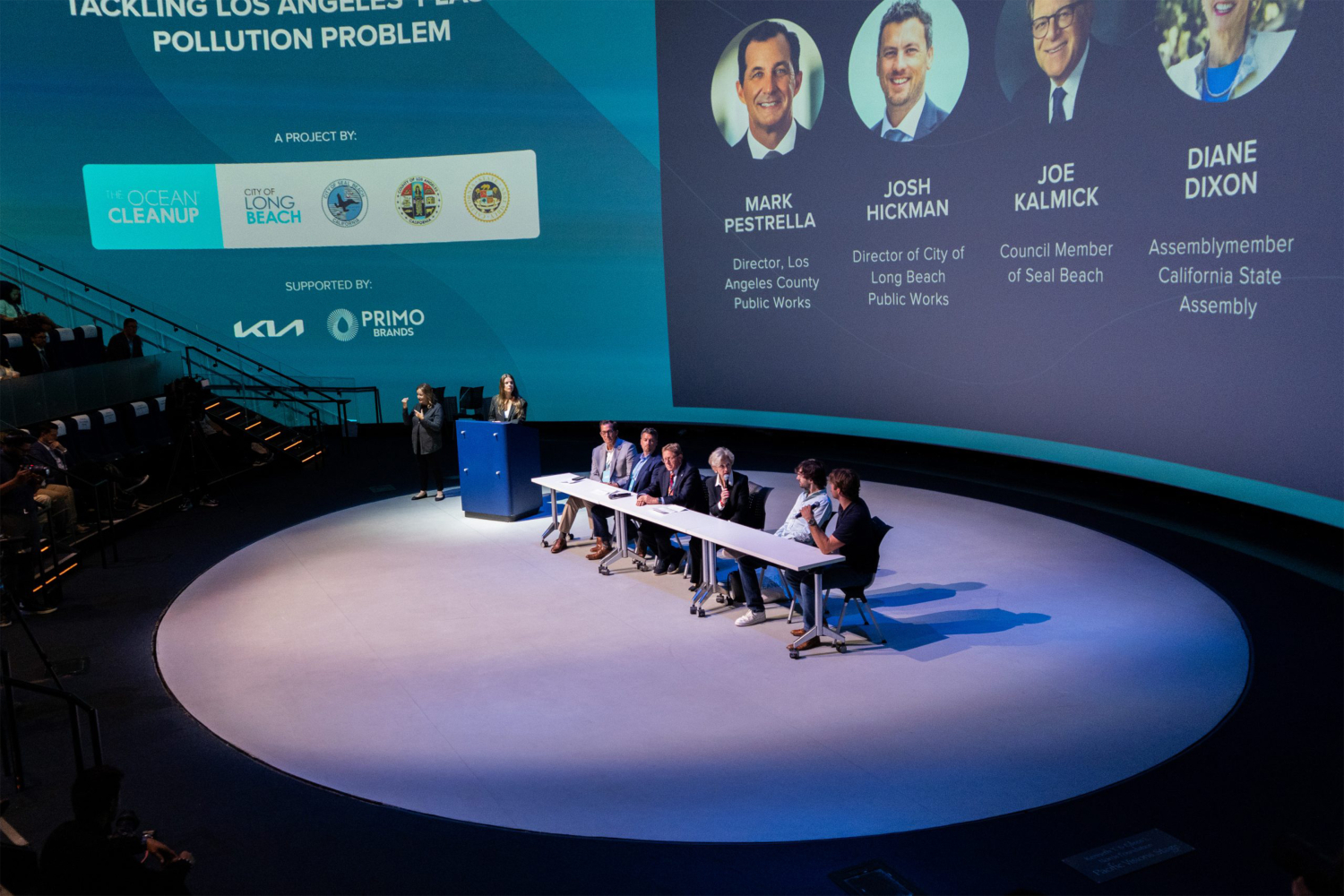
The project has secured support from Los Angeles County officials, the City of Long Beach and the City of Seal Beach, with completion targeted ahead of the LA28 Olympic Games.
Los Angeles rivers identified as major source of ocean plastic
According to research conducted by The Ocean Cleanup, rivers in Los Angeles release between 380 and 570 tonnes of plastic into the Pacific Ocean annually.
The organisation said that while there are approximately three million rivers globally, around 1,000 are responsible for nearly 80% of ocean plastic emissions.
To develop a deployment strategy for Los Angeles, The Ocean Cleanup carried out a “Smart Rivers Survey” using drones, AI-enhanced remote-sensing cameras and GPS drifters to map pollution flows and identify optimal intervention points.
Interceptor technology network expands across key waterways
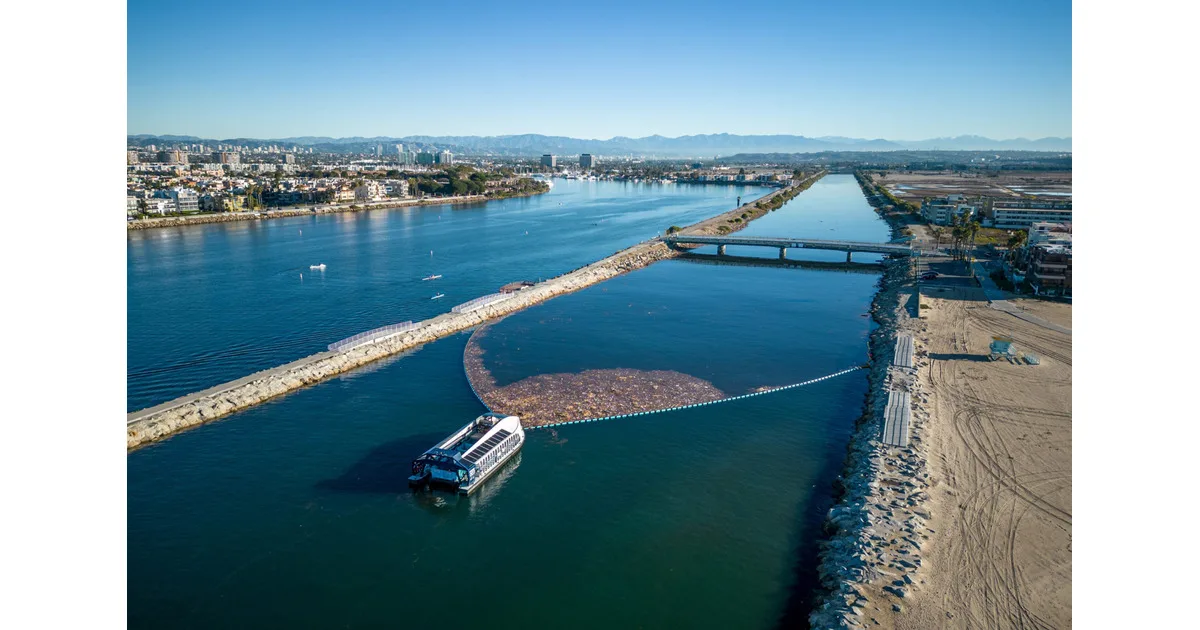
The expansion will build on existing operations at Ballona Creek, where Interceptor 007 entered its permanent operating phase in 2024 following approval from the LA County Board of Supervisors.
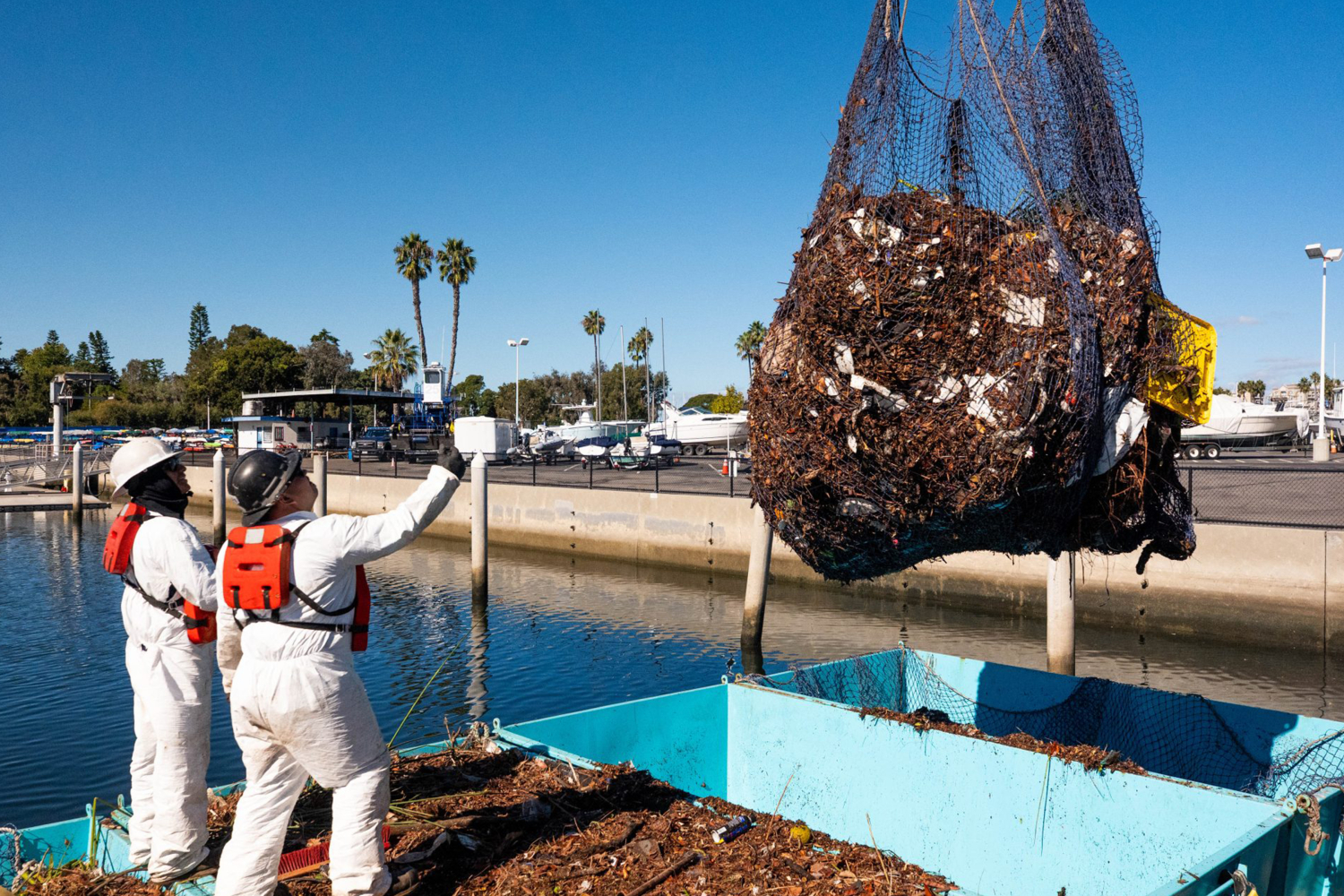
The organisation said Interceptor 007 has already prevented 386,945 pounds of trash from reaching the Pacific Ocean and surrounding beaches.
New deployments are planned for the Los Angeles River and San Gabriel River, creating what The Ocean Cleanup describes as a coordinated city-wide ocean protection system across the region’s three major waterways.
Independent feasibility studies commissioned by the City of Long Beach and the City of Seal Beach assessed hydraulic conditions, trash volumes, technology deployment options and permitting pathways before the expansion was approved.
Urban ocean protection becomes central focus of 30 Cities Program
The Ocean Cleanup said the Los Angeles expansion reflects a broader shift toward city-scale intervention models focused on preventing plastic leakage before waste reaches marine ecosystems.
“As we expand our efforts in Los Angeles, we’re not just stopping plastic in rivers, we’re setting a new standard for urban ocean protection on a city-wide basis,” said Boyan Slat, Founder and CEO of The Ocean Cleanup.
“By working with county and city partners to deploy Interceptors in the LA and San Gabriel Rivers, alongside our ongoing work in Ballona Creek, we’re making real progress toward a cleaner Pacific ahead of the LA28 Olympic Games. This is what it looks like when county and city leaders choose to focus on ocean health.”
Local governments back collaborative coastal resilience approach
Regional leaders said the project demonstrates the importance of coordinated environmental management across municipalities and waterways.
“The buildup of plastics in our oceans is one of the great environmental challenges of our time, “ said Janice Hahn, Los Angeles County Supervisor
“I am proud of the work I did with The Ocean Cleanup to install the trash Interceptor in Ballona Creek, and it is time we take on the LA River and San Gabriel River. These rivers cross city and county lines, and it’s never been fair that one city’s trash has become another city’s problem – we are committed to working together to get this done and make our ocean and our beaches cleaner for all of us.”
“Protecting Long Beach’s coastline starts upstream and this partnership with The Ocean Cleanup and Los Angeles County reflects the collaborative action needed to stop plastic pollution before it reaches our beaches and waterways,” said Rex Richardson, Mayor of Long Beach.
“By combining local leadership, community commitment, and innovative technology, we are creating cleaner, healthier spaces for residents and future generations while strengthening the environmental resilience of our coastal communities.”
“This is an exciting day not just for the City of Seal Beach but for this entire region,” said Joe Kalmick, Seal Beach Council Member.
“I am extremely proud to have helped start this effort and to see just how far we’ve come. While there is more work to be done, today we celebrate a significant milestone in the long-term effort to preserve the San Gabriel River and our coastline as clean, healthy spaces for the ecosystems they sustain and the communities that treasure them.”
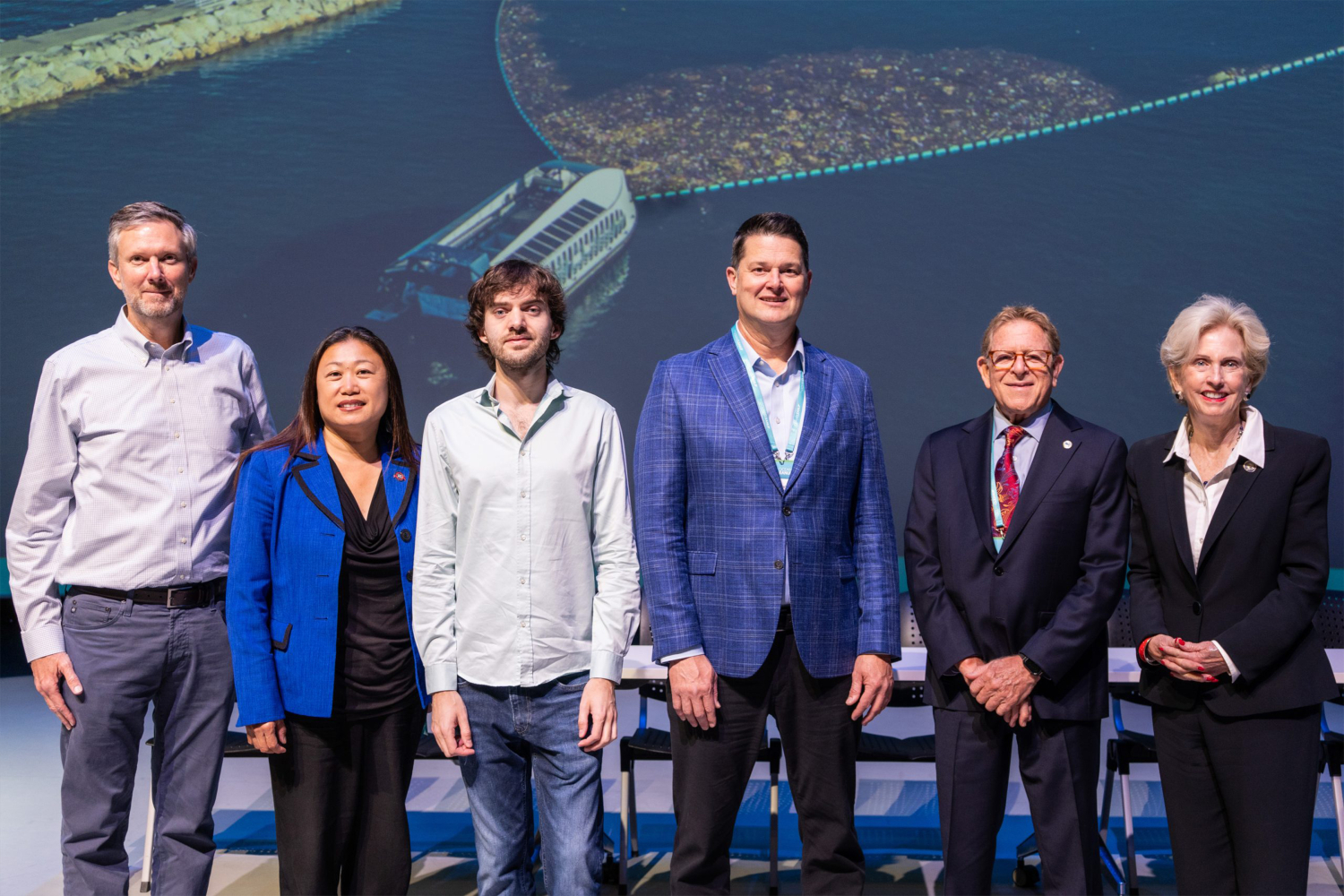
(From left) Charles Fogg, Chief Sustainability Officer, Primo Brands; Janet Nguyen, Supervisor, Orange County; Boyan Slat, Founder and CEO, The Ocean Cleanup; Eric Watson, Vice President, Sales Operations, Kia America; Joe Kalmick, Councilmember of Seal Beach; Assemblymember Diane Dixon, California State Assembly
Corporate partnerships support expansion of marine plastic initiatives
The initiative is supported by Kia, which has partnered with The Ocean Cleanup since 2022 to support deployment of plastic interception systems and circular value chain initiatives for recovered ocean plastic waste.
“Kia believes the future of mobility comes with a responsibility to the communities we serve,” said Eric Watson, Vice President, Sales Operations, Kia America. “Our partnership with The Ocean Cleanup is focused on action – proven and scalable solutions that help remove ocean plastic pollution at its source. This work is about turning intention into impact, and we are proud to help expand these efforts across Southern California.”
Additional support for the Los Angeles expansion is being provided by partner Primo Brands.
Organisation continues to scale global ocean plastic operations
Founded in 2013, The Ocean Cleanup develops technologies designed to prevent plastic from entering oceans via rivers while also removing legacy marine plastic already present in aquatic ecosystems.
As of March 2026 had removed more than 50 million kilograms of trash from aquatic environments globally.
The Ocean Cleanup currently operates internationally across 10 countries and employs approximately 200 people from its headquarters in Rotterdam, the Netherlands.
This article was produced by the editorial team at Sustainability Outlook and published as part of the Outlook Publishing global network of B2B industry magazines.
Outlook Publishing delivers industry insights, company stories, and sector coverage across sustainability, energy transition, manufacturing, mining, construction, supply chains, healthcare, and food production.
Sustainability Outlook provides ongoing coverage of organisations and developments shaping the global sustainability landscape.