



Veolia is urging governments, industries and financial institutions to accelerate the adoption of water reuse technologies, warning that growing pressure on freshwater resources is making water security a strategic priority for economic resilience, industrial competitiveness and public health.
Water Security Moves Up the Business Agenda
The call comes alongside a new white paper developed through Veolia’s Stakeholders Assembly, which brought together 34 international stakeholders, including economists, industrial companies, insurers and public authority representatives, to identify practical measures that could help overcome barriers to wider water reuse adoption.
According to Veolia, water security has become an increasingly important concern for industrial and municipal stakeholders as demand for freshwater continues to rise while resources become more constrained.
There are forecasts that freshwater demand could exceed supply by 40% by 2030, increasing the need for alternative approaches to water management.
“Water has become a matter of strategic concern. Demand for freshwater is forecast to outstrip supply by 40% by 2030. This is a major preoccupation in terms of industrial and environmental security. And although prevention remains vital, technology also has an essential role to play. We must stop thinking of water as linear; instead we should treat it as a renewable resource so industries and local authorities can call on a mix of freshwater and recycled water to meet their critical needs,” said Anne Le Guennec, CEO of Water Technologies Zone at Veolia.
White Paper Sets Out Action Plan for Water Reuse
The Stakeholders Assembly’s white paper outlines ten proposals designed to accelerate the deployment of water reuse solutions.
Among the recommendations is the development of a new approach to water security that combines stakeholder requirements with local environmental conditions to determine an optimal mix of freshwater and recycled water resources.
Veolia also announced plans to provide an open-source tool by the end of 2026 that will calculate the projected financial impact of water shortages. The company is developing the tool in collaboration with members of the Stakeholders Assembly, including water economist Esther Crauser-Delbourg, Susan Doering from Aon Insurance and Laurie Chesné from Natixis CIB.
The report additionally calls for the creation of a regular United Nations Water conference, like global climate and biodiversity summits, to maintain momentum around water-related challenges and solutions.
Financial and Regulatory Barriers
Despite advances in water reuse technology, Veolia noted that only 8% of the world’s water is currently reused.
The company said adoption continues to be limited by a combination of psychological, financial and regulatory challenges, even as water scarcity intensifies.
“Climate breakdown has shuffled the deck when it comes to water. We need to rethink our habits to make sure we’re using water at the right time, in the right place, and in the right way for different communities and regions. The solutions already exist for recycling and preserving water resources. What we now need are robust financial and economic tools, particularly tariffs that properly reflect water’s value. Now is the time to take action collectively,” said Esther Crauser-Delbourg, water economist and member of the Stakeholders Assembly.
Technology and Water Reuse Projects Expand Globally
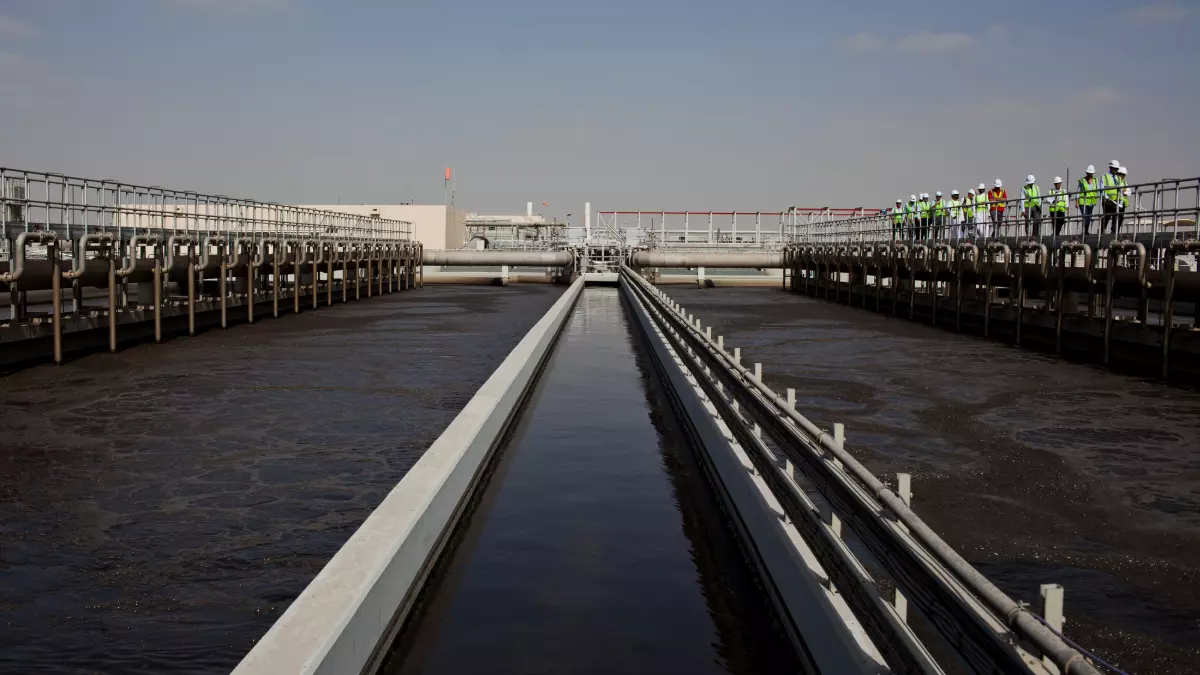
Veolia said water reuse is already being implemented in regions including Chile, the Middle East and Europe through projects tailored to local water challenges.
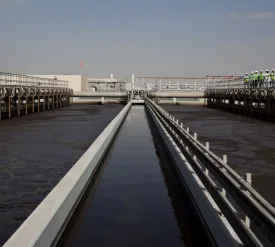
The company has also celebrated its ReutBox solution, introduced in France in 2022, which enables wastewater treatment plants to operate in a closed loop and supply recycled water for applications such as irrigation, street cleaning and the maintenance of green spaces.
More than 50 treatment plants are already operating or scheduled to receive the technology.
In France, Veolia pointed to a project in Narbonne that supplies treated wastewater for vineyard irrigation, while a large-scale installation in Argelès is expected to provide recycled water for agricultural irrigation.