



Measuring environmental impact across complex global value chains starts with recognising that no company operates in isolation. Every product and service depends on a network of suppliers, producers, customers, and ecosystems, so meaningful measurement must extend well beyond organisational boundaries.
The first step is to establish a robust baseline using credible, science-based methodologies and high-quality data. But measurement alone is not enough. Companies need to understand where their greatest impacts and dependencies lie, identify the most material opportunities for improvement, and work collaboratively with suppliers and partners to drive change.
Technology has an important role to play, but so do governance, transparency, and trust. Better data enables better decisions, yet businesses must avoid waiting for perfect information before taking action. Progress comes from continually improving data quality whilst implementing practical interventions that reduce emissions, protect nature, and strengthen resilience.
Ultimately, measuring impact is not about producing ever more detailed reports. It is about creating the insight needed to transform value chains so they are more regenerative, resource-efficient, and resilient. The organisations that succeed will be those that see measurement not as a compliance exercise, but as a strategic tool for driving long-term value for business, society, and the environment.
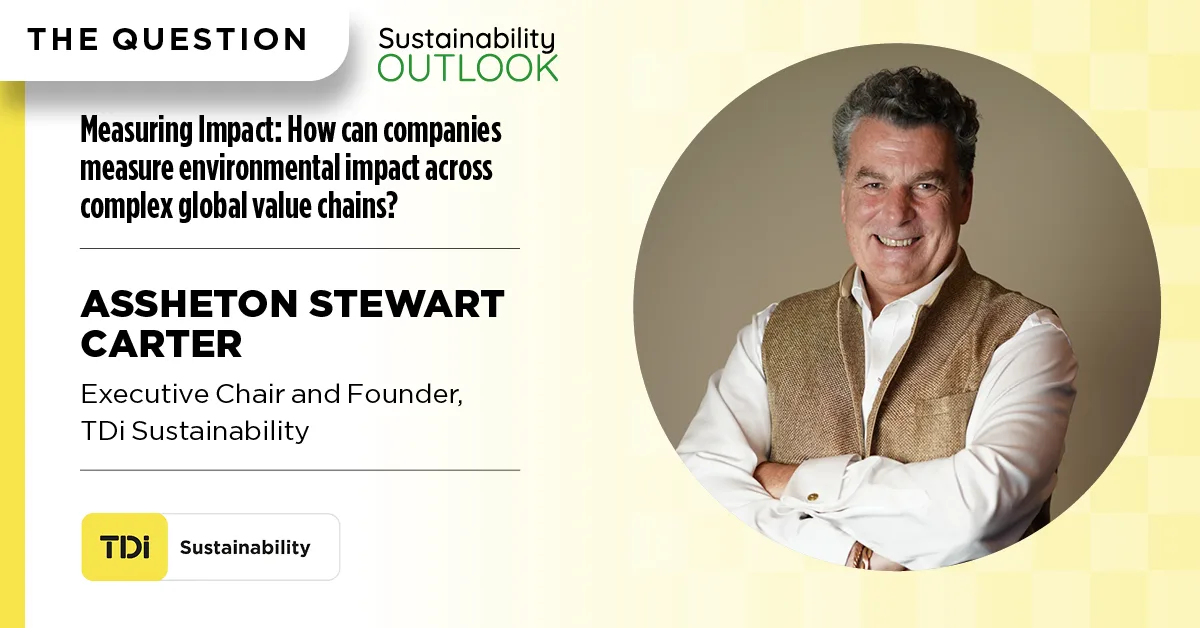
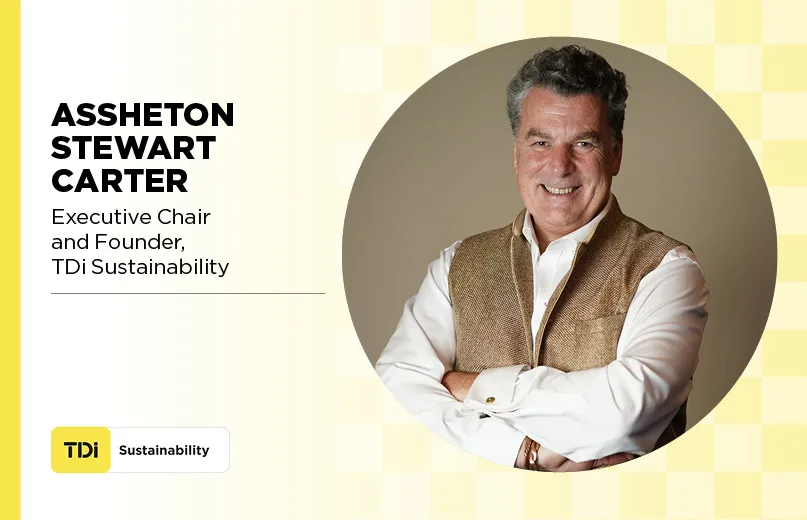
Assheton Stewart Carter
Executive Chair and Founder, TDi Sustainability
About Assheton Stewart Carter
Assheton Stewart Carter is an expert in risk identification and management (focusing on ESG, supply chain, geopolitical, and compliance risk), scenario planning, and horizon scanning, with more than 30 years of experience in the international supply chains of the resources sector.
About TDi Sustainability
TDi Sustainability’s global team helps businesses at all phases of global mineral and metal value chains build responsible, compliant, and resilient operations.
The Question is a thought leadership series published on Sustainability Outlook, created to explore the questions shaping climate action, environmental responsibility, decarbonisation, and sustainable business transformation.
Sustainability Outlook features leadership insights and company stories from organisations advancing progress across renewable energy, circularity, responsible sourcing, ESG, sustainable technology, and the transition to a low-carbon economy.
Produced as part of the Outlook Publishing global network of B2B industry magazines, The Question brings focused executive insight to audiences engaged with the companies, strategies, technologies, and decisions shaping a more sustainable future.