

Measuring environmental impact across global value chains is one of the defining challenges of corporate sustainability today. For most businesses, Scope 3 emissions (indirect emissions spanning suppliers, logistics, and end-of-life) account for 70 to 90 percent of their total carbon footprint.
The challenge here lies in the complexity of modern supply chains. Data must be gathered across multiple tiers of suppliers, geographies, and industries, often with inconsistent methodologies, varying levels of maturity, and limited transparency. As a result, many organisations still rely on spend-based estimates or sector averages, which can provide a useful baseline, but are rarely accurate enough to support credible target-setting or decarbonisation strategies.
Improving measurement requires better data, supplier engagement, and smarter technology. Companies should segment suppliers by carbon materiality, simplifying data requests, and invest in supplier capability-building. Integrating sustainability data collection into existing finance, procurement, and logistics systems can significantly reduce reporting burdens and improve consistency, whilst automation can help businesses move from annual reporting exercises to more continuous monitoring.
Measuring value chain impact will never be a one-time exercise. Companies that treat it as an ongoing operational capability and collaborative process rather than a compliance task will be far better placed to reduce emissions that matter.
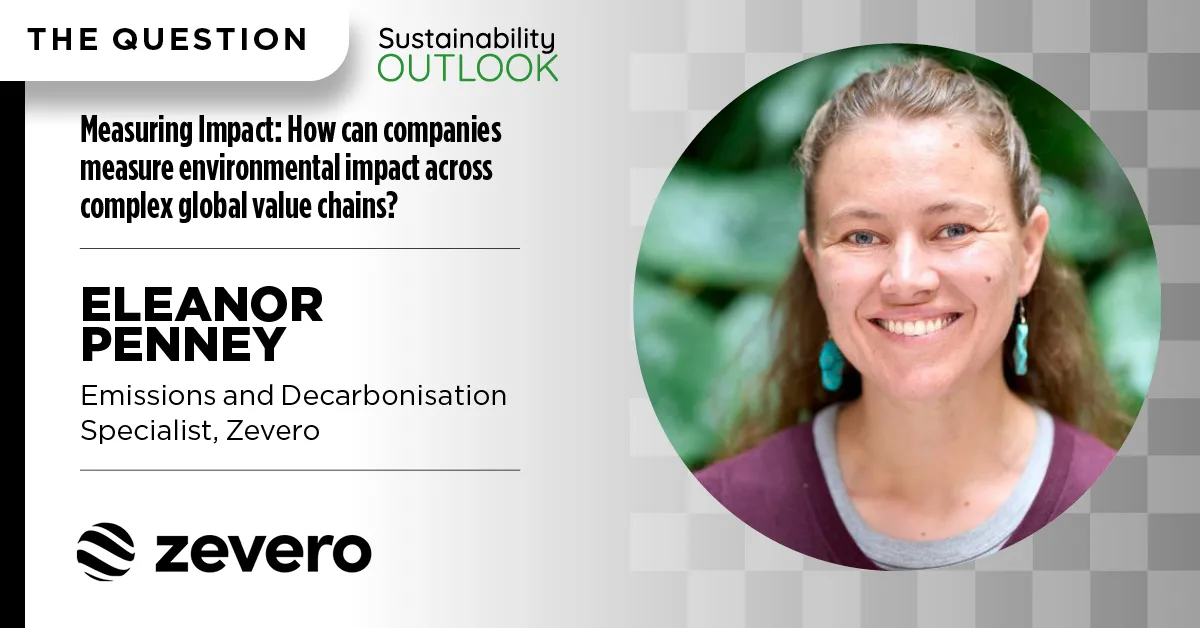
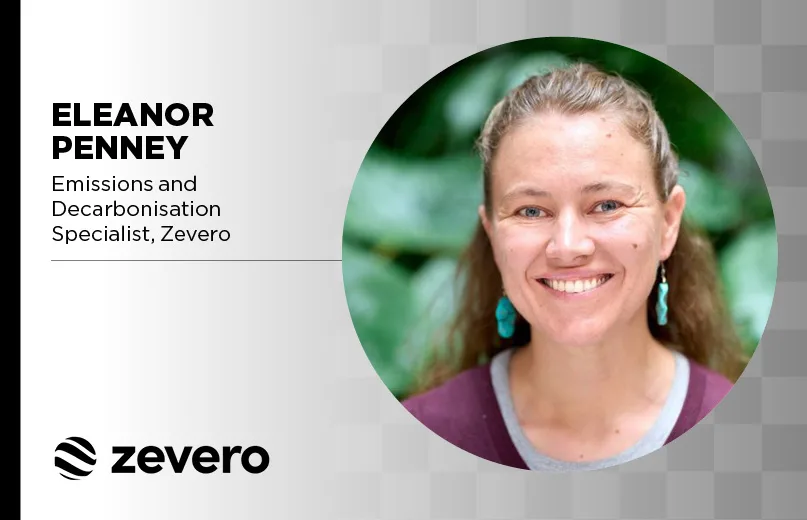
Eleanor Penney
Emissions and Decarbonisation Specialist, Zevero
About Eleanor Penney
Eleanor Penney is an Emissions and Decarbonisation Specialist at Zevero, leading methodologies for Scope 3 assessments, target setting, and data quality assurance. She formerly led the global SBT team at Anthesis and has over eight years of experience in climate consulting.
About Zevero
Zevero is an expert-led carbon management platform that helps businesses measure, reduce, and derive strategic value from their emissions data. By combining automated carbon accounting with in-house sustainability expertise, the platform helps organisations turn emissions reporting into decision-ready insight.
The Question is a thought leadership series published on Sustainability Outlook, created to explore the questions shaping climate action, environmental responsibility, decarbonisation, and sustainable business transformation.
Sustainability Outlook features leadership insights and company stories from organisations advancing progress across renewable energy, circularity, responsible sourcing, ESG, sustainable technology, and the transition to a low-carbon economy.
Produced as part of the Outlook Publishing global network of B2B industry magazines, The Question brings focused executive insight to audiences engaged with the companies, strategies, technologies, and decisions shaping a more sustainable future.