



Leaders increase impact by shifting focus to system-wide transformation.
Measuring environmental impact across value chains is less about tracking emissions but understanding where intervention will make the biggest difference. But measurement alone is not enough; companies also need to understand the underlying economics.
Low carbon alternatives – green steel, sustainable plastics, and low-carbon cement – remain significantly more expensive, hampering margins and stalling investment. The key question is where these costs sit in the value chain. In many cases, passing them through would only marginally affect end prices. Yet, such transmission often fails.
This makes prioritisation critical: emissions should be reduced where it’s most cost-effective, including upstream and downstream, beyond direct organisational control. Increasingly, companies are adopting a supply chain perspective to enhance their competitiveness. ING’s survey on decision-makers in Dutch firms reveals a marked shift in attitudes – 25 percent of leaders now view sustainability as both a strategic tool and a prerequisite for strengthening their supply chain position, compared to just 15 percent two years ago.
Leading companies increasingly recognise they cannot decarbonise value chains alone. Progress depends on collaboration and shaping the wider system through partnerships and policy engagement to enable more sustainable outcomes at scale.
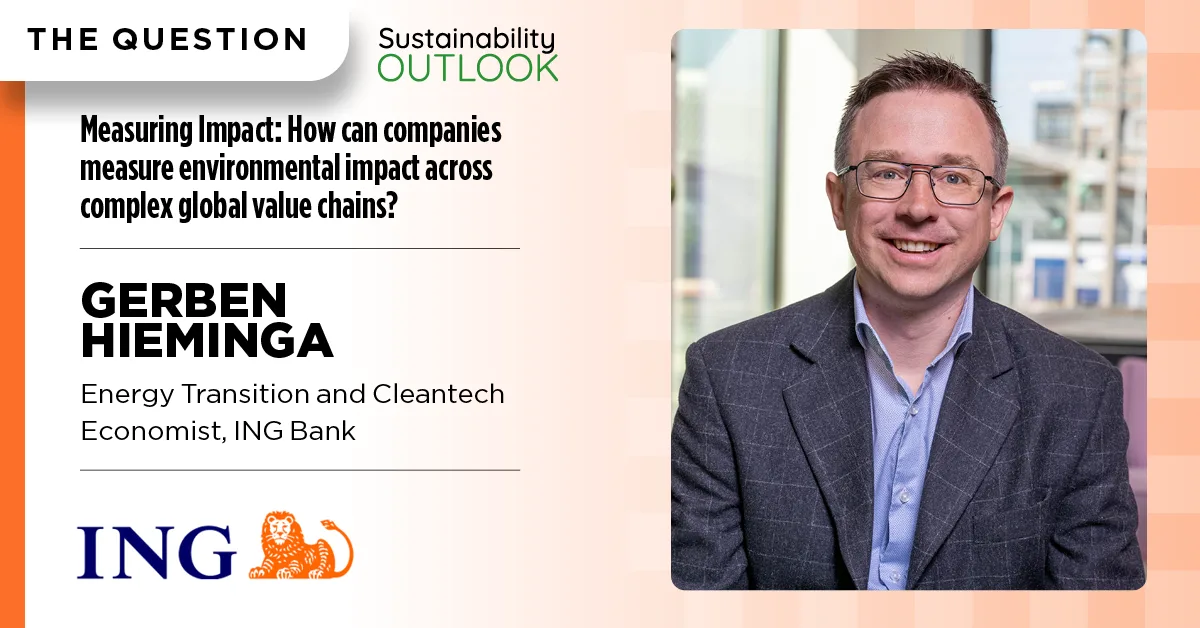
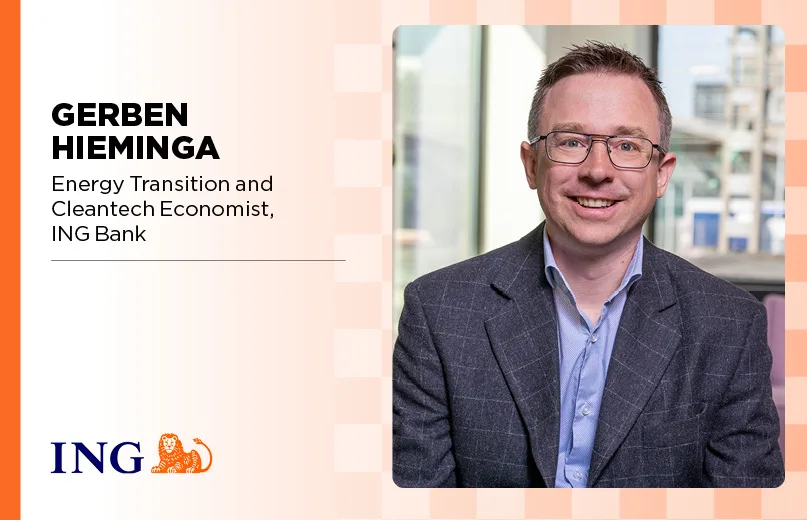
Gerben Hieminga
Energy Transition and Cleantech Economist, ING
About Gerben Hieminga
Gerben Hieminga is a seasoned economist at ING Bank, specialising in the economics of the energy transition and energy markets. Hieminga’s research delves into the complexities of energy markets and the challenges faced by hard-to-abate sectors.
About ING
ING is a global financial institution with a strong European base, offering banking services through its operating company, ING Bank, whose 60,000+ employees offer retail and wholesale banking services to customers in over 40 markets.
The Question is a thought leadership series published on Sustainability Outlook, created to explore the questions shaping climate action, environmental responsibility, decarbonisation, and sustainable business transformation.
Sustainability Outlook features leadership insights and company stories from organisations advancing progress across renewable energy, circularity, responsible sourcing, ESG, sustainable technology, and the transition to a low-carbon economy.
Produced as part of the Outlook Publishing global network of B2B industry magazines, The Question brings focused executive insight to audiences engaged with the companies, strategies, technologies, and decisions shaping a more sustainable future.